Aramco Says It Will Keep Supplying South Korea, Japan Even if Hormuz Is Blocked, Weighs More Bypass Routes
Summary
- Aramco said it will continue crude supply to Asian customers including South Korea and Japan despite the U.S.-Iran military conflict and a closure of the Strait of Hormuz.
- Aramco said it will improve supply-chain flexibility and reliability by adding fourth and fifth alternative transport routes to its existing three routes and expanding overseas crude stockpiles in countries including South Korea and Japan.
- Saudi crude production fell to about 6.24 million barrels a day in August from 10.88 million barrels a day in February, but the company said Middle Eastern crude remains highly important and difficult to replace.
Forecast Trend Report by Period


Aramco CEO Amin Nasser interviewed by Japanese newspaper
Asian demand for crude procurement remains strong
Company to develop fourth and fifth bypass routes
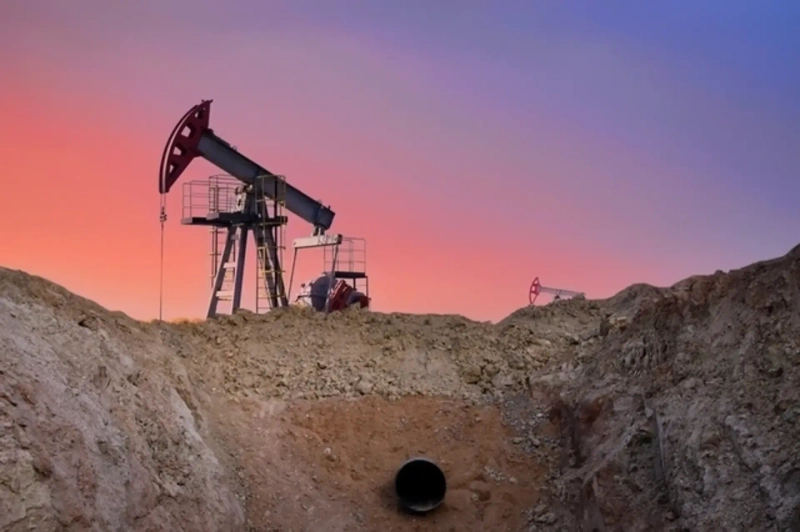
Saudi Aramco said it will continue supplying crude to major Asian customers including South Korea even amid the U.S.-Iran military conflict and a closure of the Strait of Hormuz. The Saudi state oil producer also plans to expand overseas crude stockpiles in South Korea and Japan to respond to geopolitical risks in the Middle East.
Amin Nasser, Aramco’s chief executive officer, told Nikkei in an interview published on Sept. 24 that the company had not stopped oil exports since the U.S.-Iran conflict began. “We have never stopped supply,” he said. “We continue to supply our customers.” It was his first exclusive interview with a foreign media outlet since military clashes involving the U.S., Israel and Iran began in February.
Nasser also underscored that crude procurement demand from Asian customers in Japan, China and South Korea remains strong. Aramco continues to receive procurement requests from corporate customers in those countries that have crude purchase contracts with the company, he said.
Aramco is speeding up efforts to diversify export routes in response to a possible blockade of the Strait of Hormuz. It currently uses three routes: the Strait of Hormuz, the Bab el-Mandeb Strait south of the Red Sea, and the route linking the Red Sea to the Mediterranean. To bypass Hormuz, the company has also expanded shipments of crude from Saudi Arabia’s eastern oil fields to the Red Sea through the East-West pipeline.
The East-West pipeline was attacked on Sept. 10, temporarily halting operations. Nasser said any disruption would typically last only a few days, playing down the risk of supply interruptions. He added that the pipeline is not a single route, making it difficult to shut down all transport networks at once.
In addition to the existing three routes, Aramco is pursuing new alternative transport options. Nasser said the company is reviewing fourth and fifth routes to improve the system’s flexibility and reliability. Those could include new pipelines or storage facilities in neighboring countries.
Aramco is also strengthening its strategy of holding crude inventories outside the Middle East. The company currently has overseas storage capacity of nearly 50 million barrels in South Korea, Japan and the Netherlands. Nasser said those facilities helped manage initial supply disruption immediately after the military conflict began.
South Korea is set to feel the direct effects of any reorganization of Middle East energy supply chains because it is both a major consumer of Aramco crude and a base for overseas storage. Aramco’s plan is to keep supplies flowing to countries including South Korea by using pre-positioned inventories and alternative transport networks even if key sea lanes such as the Strait of Hormuz are blocked.
Saudi Arabia’s actual crude production, however, has fallen sharply from prewar levels. According to OPEC, Saudi crude output dropped to about 6.24 million barrels a day in August from 10.88 million barrels a day in February. Nasser also acknowledged that production is not at the same level as before the crisis.
Even so, he stressed that the importance of Middle Eastern crude is unlikely to diminish quickly. Before the U.S.-Iran conflict, oil-producing countries along the Persian Gulf accounted for about 20% of global crude supply. Nasser said Middle Eastern crude is not easy to replace and that the Gulf region holds top-quality reserves and a wide range of crude grades.
Man-su Choi, Tokyo correspondent, Korea Economic Daily, bebop@hankyung.com

Korea Economic Daily
hankyung@bloomingbit.ioThe Korea Economic Daily Global is a digital media where latest news on Korean companies, industries, and financial markets.