Trump Stays Vague, Xi Emphasizes Taiwan in White House Summit
Summary
- The U.S. and China extended their trade truce through January 2027 at their summit, but did not disclose any detailed agreements on issues such as tariffs and agricultural purchases.
- Xi again presented Taiwan as a core issue in U.S.-China relations and said Washington should maintain its opposition to “Taiwan independence.”
- The two sides stopped short of concrete agreements on AI, advanced technology and trade, focusing instead on preventing ties from worsening and keeping dialogue channels open, leaving follow-up announcements as the next key market focus.
Forecast Trend Report by Period


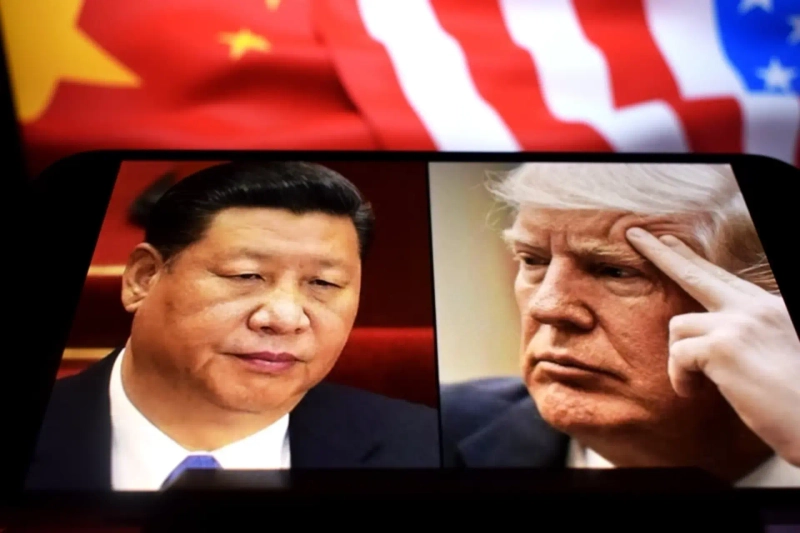
President Donald Trump and Chinese President Xi Jinping held a summit at the White House, but the two sides delivered contrasting messages about the outcome. Trump did not disclose specific agreements, while Xi more forcefully laid out China’s position by stressing Taiwan and the need for stability in U.S.-China relations.
On September 24, Trump and Xi took part in a welcome ceremony, bilateral talks and a state dinner at the White House. Trump said afterward that they had a “very good meeting,” but did not specify what agreements, if any, were reached on major issues including trade, artificial intelligence and Taiwan. The White House also did not issue a separate detailed statement immediately after the talks.
China, by contrast, released a relatively detailed account of Xi’s remarks through state-run Xinhua News Agency. Xi said the two countries should build a constructive relationship with strategic stability and respect each other’s core interests.
He again cast Taiwan as a central issue. Xi said the U.S. should maintain its opposition to “Taiwan independence” and handle related matters prudently. He portrayed the Taiwan issue as directly tied to the stability of U.S.-China relations.
In trade, the immediate focus was on preventing tensions from escalating. The two sides agreed to extend their existing trade truce through January 2027. Still, it remains unclear whether they reached additional detailed agreements on key issues such as tariffs and agricultural purchases.
Artificial intelligence was also a major item on the summit agenda. Xi said AI development should remain under human control, while the U.S. has continued to emphasize competition with China in advanced technology and related security concerns. It has not been confirmed whether the two sides established any concrete framework for cooperation in AI.
Xi also called for broader cooperation in the economic and technology sectors. He proposed expanding visits to China by young Americans and increasing direct flights between the two countries. He also called for fair treatment of Chinese companies.
The summit was meaningful in that both sides sought to prevent a further deterioration in ties and keep channels of dialogue open, but differences over core issues remain. With no detailed agreements disclosed on Taiwan, advanced technology or trade, any follow-up announcements from either side are set to draw market attention.
Trump and Xi are scheduled to continue private engagements on September 25. It has not yet been decided whether the two sides will issue an additional joint statement or release more detailed agreements.

YM Lee
20min@bloomingbit.ioCrypto Chatterbox_ tlg@Bloomingbit_YMLEE