PiCK
WSJ: Trump Rejects Iran’s ‘7-Day Ceasefire’ Proposal, Signals Airstrikes Could Resume After November Midterms
Summary
- President Donald Trump reportedly rejected Iran’s 7-day ceasefire proposal and signaled that airstrikes could resume after the midterm elections.
- Iran said it offered to reopen the Strait of Hormuz and resume nuclear talks if the U.S. lifts its naval blockade, grants waivers on sanctions targeting Iranian oil, and releases frozen assets.
- The report said talks have effectively collapsed as the U.S. and Iran remain at odds over the sequence of steps involving the naval blockade, sanctions relief, and negotiations on dismantling Iran’s nuclear program.
Forecast Trend Report by Period


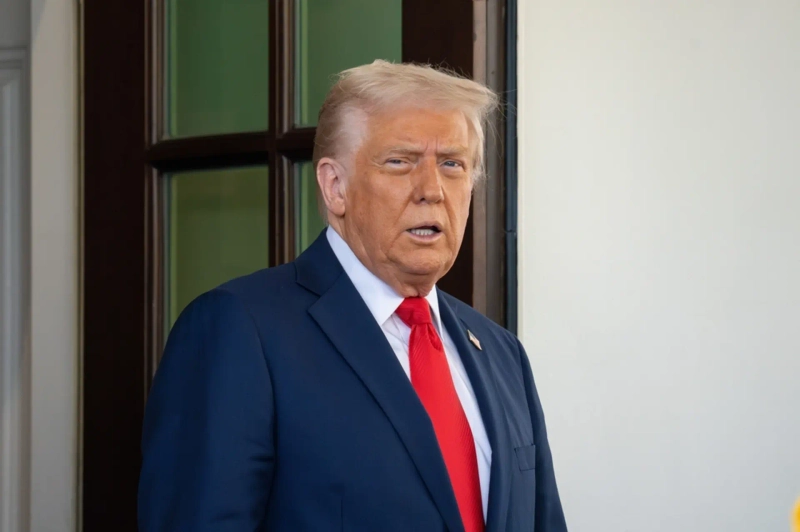
President Donald Trump has rejected Iran’s proposed "7-day ceasefire" and signaled that airstrikes could resume after the November midterm elections, the Wall Street Journal reported.
The Journal, citing U.S. officials, reported on September 25 that Trump rejected Iran’s ceasefire proposal and told aides he expected bombing operations against Iran to resume after the midterms. Trump is also skeptical that Iran will comply with U.S. demands.
Iran proposed reopening the Strait of Hormuz within seven days and resuming nuclear talks if the U.S. lifts its naval blockade. Tehran also demanded waivers from sanctions on Iranian oil, the release of frozen assets, and ceasefires across regional fronts including Lebanon.
Iranian Foreign Minister Abbas Araghchi said in New York during the United Nations General Assembly that Iran had conveyed the plan to the U.S. through mediating countries. If the necessary conditions are met, Tehran could reopen the Strait of Hormuz on the seventh day and restart negotiations. Iran’s frozen assets are estimated at at least $12 billion.
The gap between the two sides remains wide. The U.S. says Iran must first restore navigation through the Strait of Hormuz and enter talks on dismantling its nuclear program. Iran, by contrast, says Washington must first lift the naval blockade and sanctions. Trump has publicly argued that Iran will eventually seek a deal after the midterms that includes dismantling its nuclear program.
The U.S. and Iran signed a memorandum of understanding in June covering a halt in hostilities, the reopening of the Strait of Hormuz and the resumption of nuclear negotiations. But the talks have effectively collapsed after armed clashes resumed amid disputes over the terms of the agreement and the order of implementation.
Trump has recently claimed that Iran is deliberately delaying negotiations in hopes that Republicans lose the midterm elections. In his September 22 address to the U.N. General Assembly, he also said he expected a deal with Iran after the midterms. Whether airstrikes are ultimately resumed may depend on future mediation efforts and Iran’s response.

Doohyun Hwang
cow5361@bloomingbit.ioKEEP CALM AND HODL🍀