Crypto Seized for Delinquent Local Taxes Hits $98.6 Million, but Sales Recover Only $92,000
Summary
- Over the past four years, only 127 million won (0.09%) was recovered through actual sales out of 136.2 billion won in virtual assets seized over delinquent local taxes.
- Actual sales remain difficult because of crypto price volatility and the potential for disputes over whether sale prices were appropriate.
- Some local governments, including Seoul, are disposing of seized crypto under their own rules, including immediate sales, underscoring the need to revise related regulations to create a unified standard.
Forecast Trend Report by Period


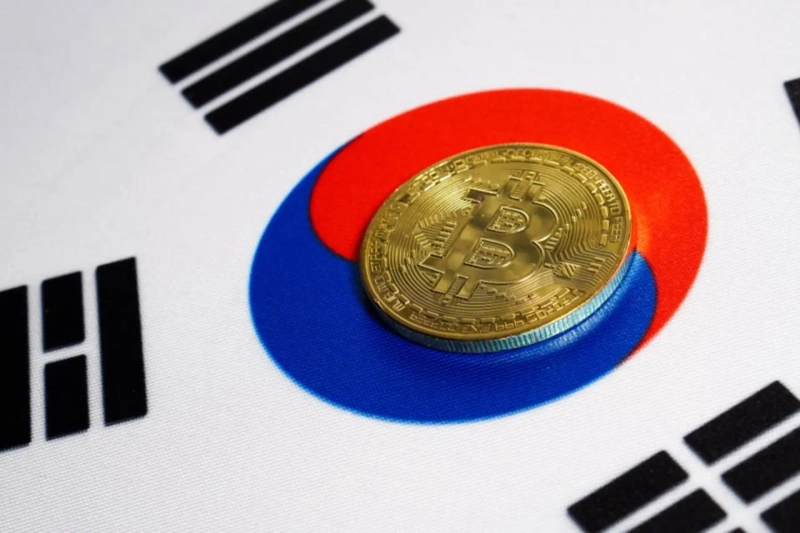
Cryptocurrency seized over delinquent local taxes in South Korea totaled 136.2 billion won ($98.6 million) over the past four years, but only 127 million won ($92,000) was recovered through actual sales.
JoongAng Ilbo reported on October 5 that data obtained by the office of People Power Party lawmaker Jin Jong-oh from 17 metropolitan and provincial governments showed 15,491 cases of crypto seizures against local tax delinquents from 2022 to 2025. Of the total amount seized, only 127 million won ($92,000) across 63 cases was actually sold, equal to just 0.09% of the total value confiscated.
Local governments have been able to seize and sell virtual assets held by tax delinquents under the revised Local Tax Collection Act, which was amended in 2022. They can ask exchanges to freeze a delinquent taxpayer's account, then either sell the assets after consulting with the holder or request that the exchange sell them directly to recover unpaid taxes. A legal basis for opening corporate exchange accounts in the name of local governments was also established last year.
Actual sales remain difficult because of crypto's price volatility. The amount recovered can vary sharply depending on when a sale is made. Delinquent taxpayers could also dispute whether the sale price was appropriate and pursue administrative litigation or damage claims.
Some local governments, including Seoul and Gyeonggi Province, have adopted their own standards for selling seized assets. Seoul transfers the virtual assets first and, in principle, sells them immediately. On weekends or public holidays, it disposes of them by the following day.
Jin said the Ministry of the Interior and Safety needs to revise related regulations so it can standardize local governments' sale criteria for virtual assets, pricing methods, sale timing and the scope of responsibility for officials handling the process.

Minseung Kang
minriver@bloomingbit.ioBlockchain journalist | Writer of Trade Now & Altcoin Now, must-read content for investors.