PiCK
Democratic Party's Oh Ki-hyoung Says South Korea Should Implement Crypto Tax as Scheduled, Opposes Immediate Change
Summary
- South Korea's Democratic Party said virtual asset taxation scheduled for next January should be implemented as planned.
- Starting January 1 next year, income from transfers and lending of virtual assets will be classified as other income and subject to a 22% tax rate.
- The People Power Party is calling for an additional delay or repeal, citing inadequate tax infrastructure, a possible domestic market contraction, and the risk of capital outflows overseas.
Forecast Trend Report by Period


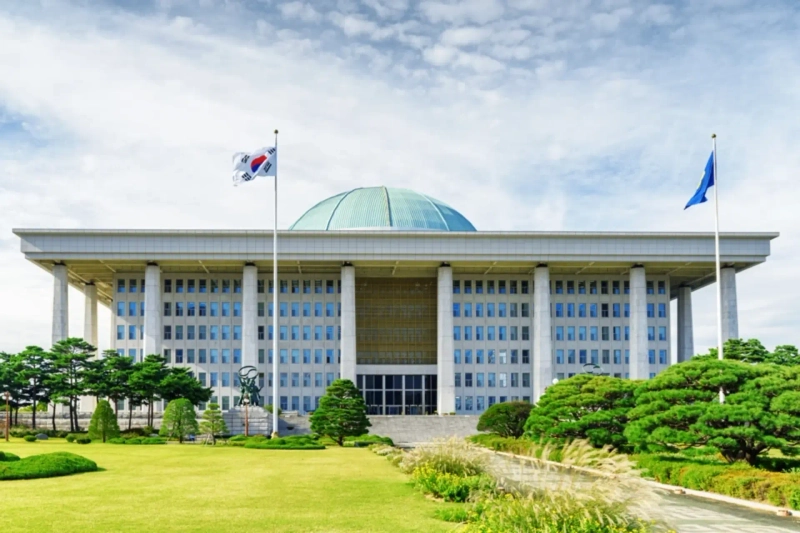
South Korea's Democratic Party said taxation of virtual assets, or cryptocurrencies, scheduled for January next year should be implemented as planned. The government also said it is preparing to proceed under the current timetable.
Edaily reported on October 6 that Oh Ki-hyoung, a Democratic Party lawmaker who serves as the ruling party's lead member on the National Assembly's Strategy and Finance Committee, made the remarks during a parliamentary audit of the Ministry of Economy and Finance.
Oh said the public has formed expectations and trust around decisions and legislation the National Assembly has already made on virtual-asset taxation. Reversing the plan to begin taxation next year right away would not be appropriate, he added.
He also stressed the need to implement the tax, saying the ruling and opposition parties had agreed three times to delay enforcement and that the intent of the National Assembly's decision was to put the tax in place as soon as the conditions for the delay had been resolved and preparations were complete.
Under the current income tax law, income generated from the transfer or lending of virtual assets from January 1 next year will be classified as other income. A total tax rate of 22% will apply to annual income exceeding the basic deduction of 2.5 million won, or about $1,840, consisting of a 20% tax on other income and a 2% local income tax.
The virtual-asset tax was originally due to take effect in January 2022, but bipartisan agreement pushed it back three times, to 2023, 2025 and then 2027.
The People Power Party has called for an additional delay or a repeal, citing inadequate tax infrastructure, a possible contraction in the domestic market and the risk of capital outflows overseas. Lawmaker Song Eon-seok proposed a bill to abolish the tax, while lawmakers Kim Sang-hoon and Jeong Seong-guk each introduced amendments to the income tax law that would delay implementation by another two to three years.
Kim said the National Tax Service had told lawmakers there is still no tracking infrastructure for transactions conducted through decentralized finance, or DeFi. With only a few months left until January, the tax infrastructure has not been built, he said.
Asked by Oh whether preparations for taxation were under way, Lee Hyung-il, deputy prime minister and minister of economy and finance, said the government is preparing. He added that it would conduct a further review if there are differing views.

Minseung Kang
minriver@bloomingbit.ioBlockchain journalist | Writer of Trade Now & Altcoin Now, must-read content for investors.