PiCK
PPP's Park Soo-young Says South Korea Should Delay Crypto Tax Until Infrastructure Is Ready
Summary
- Rep. Park Soo-young said virtual asset taxation scheduled to begin in January 2027 should be delayed until the tax infrastructure is in place.
- Park said policymakers should consider the limits of taxing overseas exchanges under CARF, issues of tax fairness with stocks, and opportunities for young people to build assets.
- He said virtual asset taxation could deepen the slump in the domestic exchange market and force one or two of the five major exchanges to close, adding that the tax should be imposed only after South Korea is fully prepared and has reviewed overseas examples.
Forecast Trend Report by Period


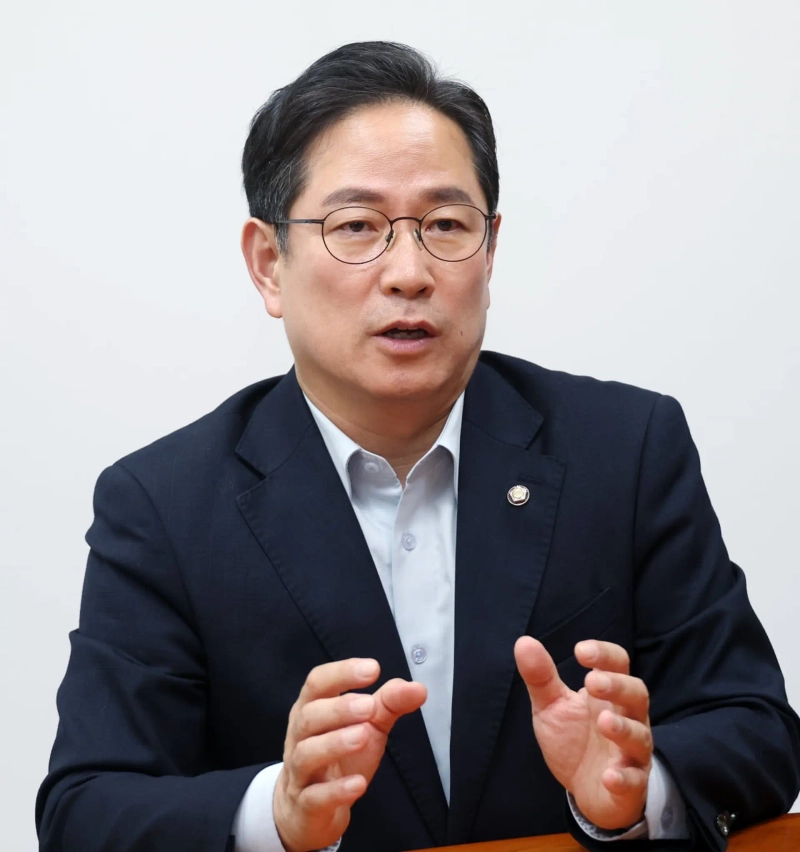
Rep. Park Soo-young of the People Power Party said South Korea should delay the planned taxation of virtual assets, or cryptocurrencies, until the necessary tax infrastructure is in place. The tax is scheduled to take effect in January 2027.
TV Chosun reported on October 7 that Park, deputy policy chief of the ruling People Power Party, made the remarks on the YouTube channel Newstradamus. He said the issue was not whether to scrap the tax altogether, but whether to postpone it until the government is prepared.
"Trying to impose taxes when preparations are incomplete is a policy decision driven by ideology that ignores reality," Park said.
Park argued that, with about three months left before the planned rollout, the government still does not know how many people would be subject to the tax or how much revenue it would generate. He said that when he asked a minister how many taxpayers would be affected and how much tax revenue was expected, the answer was, "I don't really know."
He also cited problems with tracking transactions through overseas exchanges. Park said taxing assets held on foreign platforms would require countries to share information through the Crypto-Asset Reporting Framework, or CARF, an automatic exchange system for crypto transaction data.
But because major markets such as the U.S., Hong Kong and Singapore will participate at different times, taxation could end up concentrated on users of domestic exchanges, he said.
Park also raised the issue of tax fairness relative to stock investing. He said taxing virtual assets while not taxing stocks could create an equity problem, and that policymakers should also take into account opportunities for younger people to build assets.
He added that a crypto tax could further deepen the downturn at domestic exchanges.
"If taxation starts on Jan. 1, 2027, it could further shrink a market that is already contracting," Park said. "One or two of the five major exchanges could end up closing."
He added that South Korea should look at overseas cases and impose the tax only when preparations are complete.
Under the current Income Tax Act, taxation of virtual assets is scheduled to begin on Jan. 1, 2027.

Minseung Kang
minriver@bloomingbit.ioBlockchain journalist | Writer of Trade Now & Altcoin Now, must-read content for investors.