Kospi Stays 25.3% Below Record, Struggles to Reclaim 7,000 as Foreigners Sell
Summary
- The report said the Kospi is struggling to reclaim 7,000 because of foreign selling and a drop in trading value.
- It said about 80% of net foreign selling was concentrated in Samsung Electronics and SK Hynix, weighing on the Kospi's sustained rebound.
- The securities industry said foreign fund flows, a recovery in liquidity, and bigger dividends and share buyback cancellations are key conditions for a rebound.
Forecast Trend Report by Period


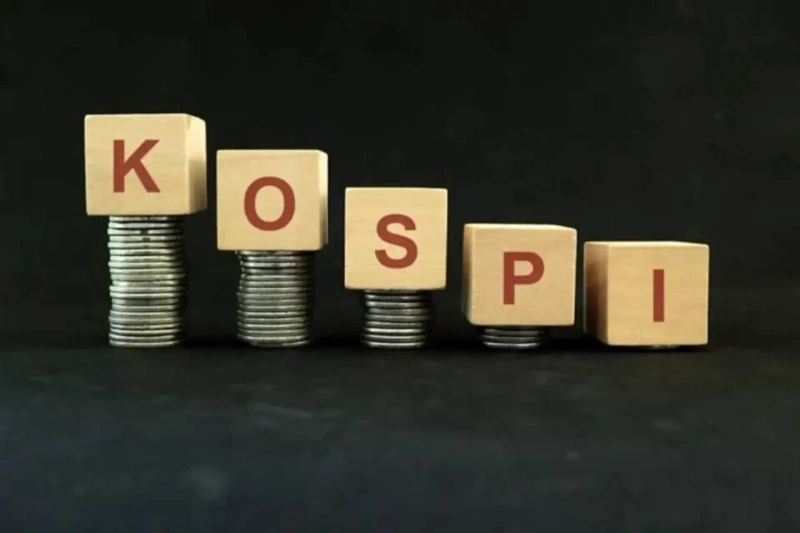
The Kospi is struggling to regain the 7,000 level as foreign selling and shrinking trading value weigh on the benchmark. While U.S. and Taiwanese stocks have climbed to record highs, South Korean equities have posted only a limited rebound as caution over the semiconductor cycle adds to the pressure.
According to investment information platform Epic AI on Oct. 8, the Kospi closed down 137.49 points, or 1.98%, at 6,803.90 a day earlier. That left the index 25.3% below its record closing high of 9,114.55 on June 22. From that day through Oct. 6, the Nasdaq Composite and Taiwan's Taiex rose 5.48% and 4.36%, respectively. Both indexes recently set fresh all-time highs.
Buying power in the South Korean market has weakened from the first half of the year. Average daily trading value on the Kospi fell about 57% to 21.3604 trillion won in September from 50.3471 trillion won in June. Investor deposits also shrank to 100.8421 trillion won on Oct. 2 from 121.6339 trillion won at the end of June. Kim Dae-jun, an analyst at Korea Investment & Securities, said a swift recovery in large-cap stocks is hard to expect when liquidity is thin.
Foreign investors were net sellers of Kospi stocks for five straight months from May through September. According to Hyundai Motor Securities, their net selling from September through the October tally date reached 21.6 trillion won, with Samsung Electronics accounting for 5.2 trillion won and SK Hynix 12 trillion won. About 80% of all net foreign selling was concentrated in the two stocks.
Foreign ownership of Samsung Electronics has fallen to its lowest level in the past decade. SK Hynix has also retreated to levels seen before 2023, before its share rally gathered pace on expectations for increased AI investment. The view in the market is that the Kospi needs foreign buying to return to those two heavyweight index components for a sustained rebound to continue.
Concerns over the durability of the memory-chip cycle are also weighing on sentiment. Samsung Electronics and SK Hynix had risen on expectations for strong demand for high-bandwidth memory, or HBM, and higher memory prices. Investors are now focused on how long earnings growth can be sustained. Even on Oct. 6, when the Nasdaq hit a record, SK Hynix American depositary receipts fell 6.39% and the Roundhill Memory ETF dropped 3.49%.
The securities industry cited foreign fund flows and a recovery in liquidity as key conditions for a rebound. One brokerage executive said South Korea needs to broaden its growth drivers beyond semiconductors into areas such as AI software, robotics and biotechnology. The executive added that companies should expand dividends and share buyback cancellations to lift valuations and encourage longer-term foreign investment.

YM Lee
20min@bloomingbit.ioCrypto Chatterbox_ tlg@Bloomingbit_YMLEE