PiCK
Won-Yen Rate Falls to Lowest in More Than 18 Years, Driving Buys of Yen-Hedged US Treasury ETF
Summary
- The won-yen exchange rate has fallen to the 840 won range per 100 yen, drawing South Korean money into products that invest in US Treasuries through the yen.
- South Korean investors were net buyers of $4,042,938 worth of the Japan-listed iShares 20+ Year US Treasury Bond JPY Hedged ETF over the past month.
- Investors are betting on a rebound in long-dated bond prices if yields fall after the recent rise in long-term US Treasury yields, while also watching moves in the won-yen exchange rate.
Forecast Trend Report by Period


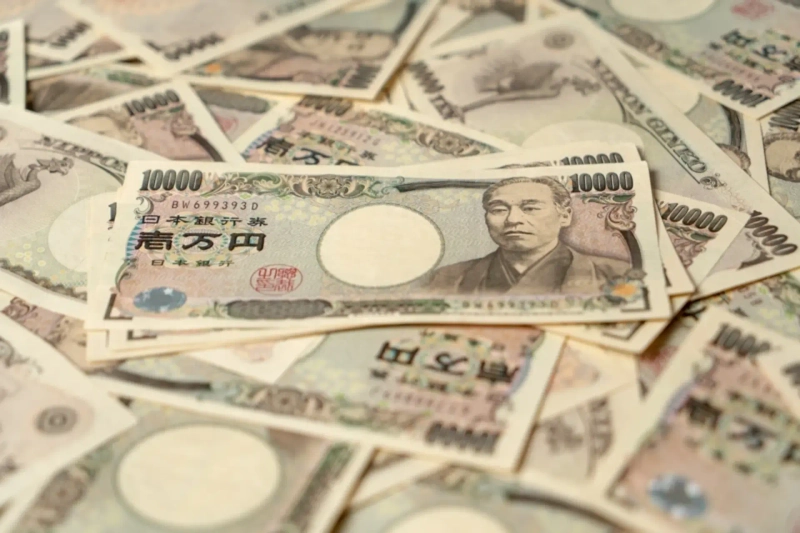
South Korean money is flowing into products that invest in US Treasuries via the yen as the won-yen exchange rate has fallen into the 840 won range per 100 yen. Investors are betting on both a rebound in long-dated US bonds and a recovery in the yen against the won.
According to Woori Bank, the won-yen exchange rate fell to the 846 won range per 100 yen during trading on October 6. That was the lowest level since 837.58 won on January 2, 2008, the weakest in about 18 years and nine months. It also traded around 847 won intraday on October 8, more than 60 won below early August, when it was above 900 won.
According to the Korea Securities Depository, domestic investors were net buyers of $4,042,938 worth of the Japan-listed iShares 20+ Year US Treasury Bond JPY Hedged ETF over the past month. It ranked third among Japanese securities by net purchases. As of October 2, holdings stood at $272.77 million, the second-largest amount among Japanese listings.
The ETF holds US Treasuries with remaining maturities of more than 20 years and hedges fluctuations in the dollar-yen exchange rate. South Korean investors who convert won into yen to buy the product are exposed to both changes in US Treasury prices and moves in the won-yen exchange rate. Hedging the dollar-yen rate does not remove changes in the yen's value against the won.
The lower cost of buying yen reflects diverging moves in the two currencies. The won-yen exchange rate is derived from each currency's exchange rate against the dollar. Recently, the won has strengthened while the yen has remained weak. In South Korea, stronger semiconductor exports driven by expanded AI investment and dollar selling by exporters supported the won. The won-dollar exchange rate fell to 1,338.5 won on October 8.
The yen's rebound remained limited even after the Bank of Japan raised interest rates last month. The yen-dollar exchange rate approached 164 yen in late July, then fell to the 156 yen range after joint intervention by US and Japanese foreign-exchange authorities. It later rose again as concerns over Japan's fiscal position resurfaced, reaching 158.21 yen on October 8.
Higher long-dated US Treasury yields are another factor drawing investor attention. The 20-year US Treasury yield rose 0.462 percentage point, from 5.250% on September 4 to 5.712% on October 5. Because bond prices move inversely to yields, expectations that yields may decline later and lift long-dated bond prices are helping drive demand.

YM Lee
20min@bloomingbit.ioCrypto Chatterbox_ tlg@Bloomingbit_YMLEE