Dollar-Won Rate Falls to 1,338.5; Softer US Inflation Could Drive Further Declines
Summary
- The dollar-won exchange rate fell to 1,338.5 won, entering the 1,330 won range for the first time in a month, with attention turning to whether it can decline further.
- Brokerages said the won could weaken further into the low-to-mid-1,300 won range as South Korea’s growth outlook has been revised higher.
- This week’s US CPI, PPI, as well as oil prices and Middle East tensions, were cited as the key variables shaping the dollar, South Korean interest rates, and the exchange rate.
Forecast Trend Report by Period


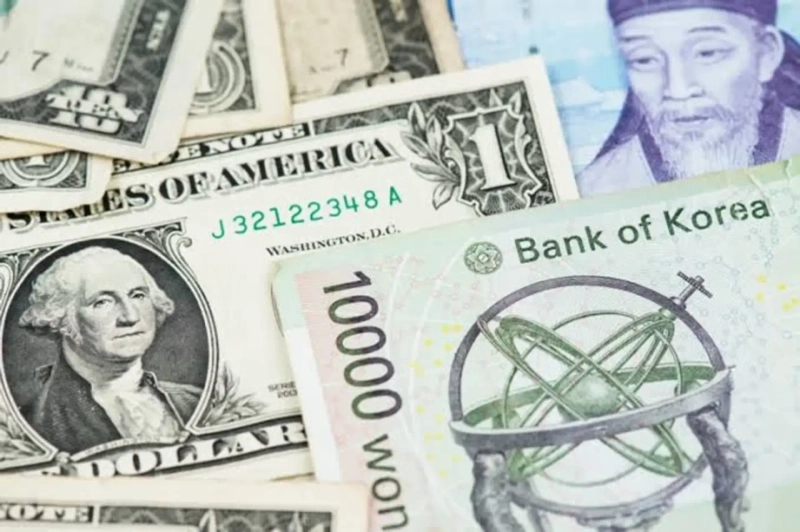
The dollar-won exchange rate fell into the 1,330 won range for the first time in a month, drawing attention to whether it has room to decline further. Dollar selling by exporters has underpinned won strength, while US inflation data due this week is set to shape the currency pair’s direction.
In Seoul trading on October 8, the dollar-won rate stood at 1,338.5 won as of 3:30 p.m., down 1.9 won from the previous day. It was the first time the rate had traded in the 1,330 won range since September 10. The dollar remained firm on European risk factors including France’s fiscal troubles, but exporter dollar sales in South Korea pushed the exchange rate lower.
Brokerages said an improved outlook for the domestic economy has also supported the won. Moon Da-woon, an analyst at Korea Investment & Securities, said there are now more factors pulling the dollar-won rate lower than when it last traded in the 1,330 won range, pointing to continued upward revisions to South Korea’s growth outlook. Ha Geon-hyung, a research fellow at Shinhan Securities, said the exchange rate could fall further this week into the low-to-mid-1,300 won range.
The main variables are the US consumer price index for September due on October 14 and the producer price index due on October 15. If inflation pressures ease, the burden from dollar strength could also recede. If recent gains in oil prices pushed inflation up more than expected, concerns over additional US rate hikes could spur demand for the dollar.
In the bond market, oil prices and Middle East tensions were cited as factors driving yields higher. South Korea’s three-year government bond yield rose 0.022 percentage point from the previous session to 3.983% on October 8. Ahn Ye-ha, an analyst at Kiwoom Securities, said the rise in yields is likely to continue for the time being because tensions between the US and Iran have not been resolved and oil prices have yet to turn lower.

YM Lee
20min@bloomingbit.ioCrypto Chatterbox_ tlg@Bloomingbit_YMLEE