Bank of England Says It Won’t Rush Digital Pound, Sees Stablecoins and Tokenized Deposits as Alternatives
Summary
- The Bank of England said it will not rush to introduce a retail CBDC, and that commercial stablecoins and tokenized deposits could serve as alternatives.
- The Bank of England said it will upgrade its internal RTGS system to enable instant settlement 24/7 while preserving the role of central bank money as the settlement asset.
- The Bank of England expects three sterling stablecoins to emerge, each with demand of 40 billion pounds, and said it will strengthen stablecoin oversight and integrate them into the payments system.
Forecast Trend Report by Period


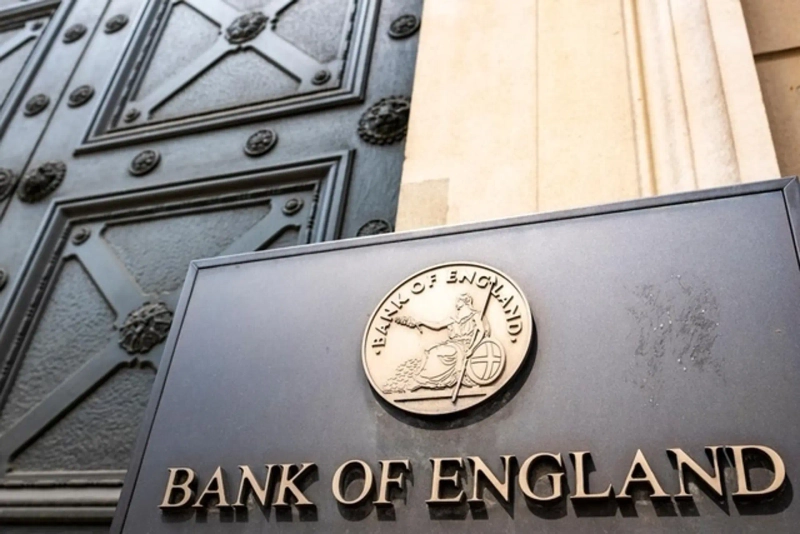
The Bank of England said it is in no hurry to introduce a retail central bank digital currency, or CBDC, judging that private-sector alternatives such as commercial stablecoins and tokenized deposits could serve the same purpose.
Bloomberg reported on Oct. 12 that Bank of England Deputy Governor Sarah Breeden, speaking at an Atlantic Council event on the sidelines of the International Monetary Fund annual meeting in Bangkok, said “we may not need a digital pound quite so quickly.”
Breeden said the decision on whether to introduce a retail CBDC in the U.K. — often dubbed “Britcoin” — depends on “how far we can realize the benefits of tokenization and innovation in other ways.” Commercial stablecoins or tokenized deposits developed by banks could perform the same functions as a CBDC, she said. “Does it have to be central bank money that leads the way?”
She also said the BOE is upgrading its internal real-time gross settlement, or RTGS, system. The aim is to ensure central bank money remains the settlement asset for transactions in sterling financial markets. “This approach would allow us to capture the benefits of tokenization, including instant settlement 24 hours a day, seven days a week, while preserving the role of central bank money as the settlement asset,” Breeden said.
Breeden also emphasized that U.K. companies should develop sterling stablecoins to reduce reliance on dollar stablecoins. “It doesn’t make sense if U.K. citizens and businesses have to rely solely on dollar stablecoins to access innovative payment instruments,” she said. “Innovation should also be possible in our own currency.”
The Bank of England expects three dominant sterling stablecoins to emerge, each with demand of 40 billion pounds. To prepare for that, it plans to strengthen its regulatory capacity for stablecoins and integrate them into the payments system so households and businesses can use them broadly as money.

Bloomingbit Newsroom
news@bloomingbit.ioFor news reports, news@bloomingbit.io