South Korea, Japan Agree to Extend $10 Billion Currency Swap by Three Years
Summary
- South Korea and Japan said they would extend their currency swap by three years at the existing $10 billion size.
- The two sides said they agreed to extend the swap because both countries have secured sufficient foreign-currency liquidity and because it serves as a symbol of South Korea-Japan financial cooperation and coordination.
- They said the current swap is structured around the U.S. dollar, with South Korea and Japan each depositing their own currencies and borrowing dollars in return.
Forecast Trend Report by Period


Extension Agreed Ahead of Next Month’s Expiry
Finance Ministers’ Meeting Also to Be Held in South Korea
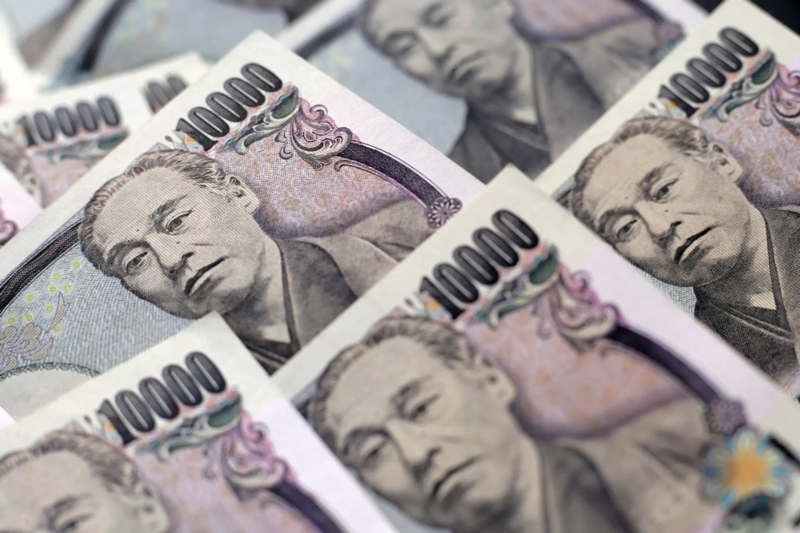
South Korea and Japan have agreed to extend their currency swap arrangement, which expires next month, by three years. The size will remain unchanged at $10 billion.
Lee Hyoung-il, South Korea’s deputy prime minister and minister of economy and finance, reached the agreement during a bilateral meeting with Japanese Finance Minister Satsuki Katayama in Bangkok on Oct. 15. Lee was in Thailand to attend meetings of Group of 20 and Group of Seven finance ministers, as well as the annual meetings of the International Monetary Fund and the World Bank.
The two countries signed the $10 billion currency swap on Dec. 1, 2023, for a three-year term. It marked the resumption of the arrangement for the first time in eight years after it ended in February 2015 during the Park Geun-hye administration amid diplomatic tensions over the wartime sexual slavery issue and other disputes. Under the agreement, the swap line, which had been due to expire at the end of November this year, has been extended through November 2029.
A ministry official said Lee and Katayama shared the view that the two countries’ foreign-exchange authorities have secured ample foreign-currency liquidity. They agreed to extend the arrangement in light of its importance as a symbol of bilateral financial cooperation and coordination. The two sides also agreed to hold the next South Korea-Japan finance ministers’ meeting in South Korea as soon as possible, in line with an accord reached at their 10th meeting in Tokyo in March.
The South Korea-Japan currency swap began at $2 billion in 2001. It expanded to as much as $70 billion by 2011 through the global financial crisis and Europe’s sovereign debt crisis. After it was restored in 2023, the deal drew attention because it was structured entirely in dollars rather than as a won-yen swap. Before 2023, the arrangement was a hybrid structure under which South Korea deposited won and borrowed both yen and dollars from Japan. Under the current framework, South Korea can deposit won and borrow dollars from Japan, while Japan can deposit yen and borrow dollars from South Korea.
South Korea’s finance ministry has continued talks with Japan’s financial authorities on a joint response to exchange-rate moves and on extending the currency swap. In March, former Deputy Prime Minister Koo Yun-cheol signaled the possibility of an extension during a briefing with correspondents at Japan’s Ministry of Finance in Tokyo.
Nam Jung-min, Hankyung.com reporter peux@hankyung.com

Korea Economic Daily
hankyung@bloomingbit.ioThe Korea Economic Daily Global is a digital media where latest news on Korean companies, industries, and financial markets.