Oil Slips as US Weighs Easing Sanctions on 'Shadow Fleet' Tankers
Summary
- Oil prices edged lower as the US weighed easing sanctions on some tankers and the IEA expanded strategic reserve releases.
- The US is considering lifting sanctions on some vessels in the shadow fleet linked to Russia, Iran and Venezuela in a move aimed at lowering elevated sea freight rates.
- Armed conflict in the Middle East and attacks threatening crude shipments are keeping supply concerns alive, and Haitong Futures said a de-escalation in Middle East tensions would be the only meaningful factor that could cool the oil market.
Forecast Trend Report by Period


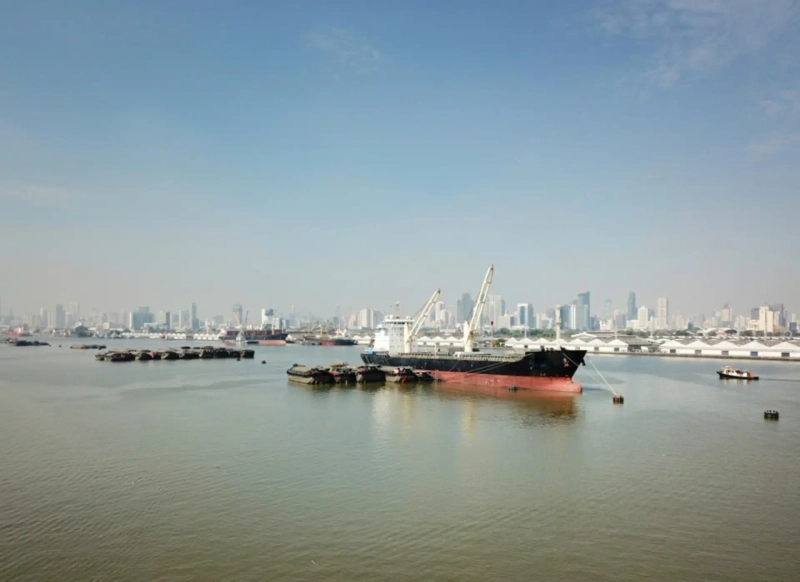
Oil prices edged lower in early Asian trading on October 16 as the US weighed easing sanctions on some tankers and the International Energy Agency accelerated releases from strategic reserves. Supply concerns persisted, however, as fighting in the Middle East continued.
CNBC reported on October 15 that Brent futures fell 41 cents, or 0.39%, to $105.51 a barrel. US West Texas Intermediate futures dropped 54 cents, or 0.55%, to $97.43. WTI had climbed more than 3% a day earlier after news of a sharp decline in US crude inventories, while Brent was little changed.
The market is focused on whether Washington will ease sanctions tied to seaborne oil shipments. The administration is considering lifting sanctions on some vessels in the so-called shadow fleet that have transported crude and petroleum products from Russia, Iran and Venezuela. The aim is to allow sanction-evading tankers back into the market and lower sea freight rates that have surged to record levels.
The IEA is also moving to boost supply. Member countries agreed on October 15 to quickly supply the remaining volumes from a coordinated stockpile release agreed in March. That includes more than 20 million barrels of diesel. The plan is intended to ease upward pressure on energy prices by addressing shortages in diesel as well as crude.
In the Middle East, meanwhile, clashes threatening oil transport continued. Fighting between Saudi Arabia and Yemen's Houthi rebels intensified, and attacks targeting vessels in the region also persisted. Iran has also stepped up attacks in response to a US port blockade and tougher sanctions.
Haitong Futures wrote in a report that oil prices rose the previous day despite the announcement of reserve releases. The market was not satisfied with the US response measures. It added that a de-escalation in Middle East tensions would be the only factor that could materially cool the crude market.

Doohyun Hwang
cow5361@bloomingbit.ioKEEP CALM AND HODL🍀