Zelenskiy Defies US, Strikes Russian Oil Refineries
Summary
- President Zelenskiy said the ban on attacks on Russian oil refineries was over and that he would no longer accept the energy truce sought by the US.
- He complained that the US was restricting information-sharing on Russian missile attacks and access to Starlink, and said he could halt attacks on energy facilities if Ukraine received more US-made Patriot missiles.
- The Carnegie Endowment for International Peace said weakening cohesion within the Zelenskiy administration and shakier leadership could affect the war effort and potential negotiations with Russia.
Forecast Trend Report by Period


Ties Deteriorate as ‘Energy Truce’ Collapses
Corruption Allegations Around Aides Add to Pressure
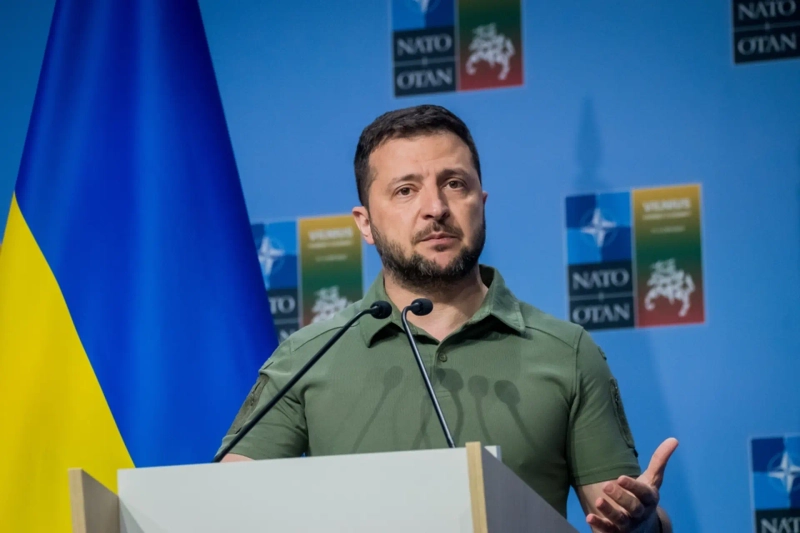
A dispute over attacks on Russian energy facilities is deepening tensions between Ukrainian President Volodymyr Zelenskiy and US President Donald Trump. Zelenskiy, already under growing political pressure from corruption allegations involving close aides and internal discord, is now clashing with Ukraine’s biggest backer, shaking his position at home and abroad.
Zelenskiy said in an interview with the Financial Times on October 15 that “the ban on attacks on Russian oil refineries is over.” The comment meant he would no longer accept the “energy truce” sought by Trump.
Ukraine suspended strikes on Russian energy facilities for three days at Washington’s request, he said, but Russia did not stop its attacks. The Associated Press reported that a fire broke out at an oil refinery in Russia’s Ryazan region that day following a Ukrainian strike.
Zelenskiy’s backlash appears rooted in distrust of the US. He has previously complained that Washington was not sharing information on Russian missile attacks and was restricting access to Starlink. In a media interview the previous day, he was asked whether he felt betrayed by Trump and answered yes. He also said halting attacks on energy facilities would not only provide Russian President Vladimir Putin with funds for the war, but also risk spurring more trade between the US and Russia, including in diesel. “The next deal will be natural gas,” he said.
But worsening ties with the US would be a major burden for Zelenskiy. Ukraine depends on Washington for weapons, intelligence and satellite communications needed to wage the war. He said he could stop attacks on energy facilities if Ukraine received more US-made Patriot missiles.
As the war drags on, Zelenskiy’s leadership at home is also coming under strain. Protests triggered by the July dismissal of Defense Minister Mykhailo Fedorov are a prominent example. Fedorov had argued that Ukraine should hold a presidential election that had been suspended under martial law before he was removed. The Carnegie Endowment for International Peace said cohesion within the Zelenskiy administration is weakening.
There is also speculation that Zelenskiy’s weakened standing could affect the war effort. If he fails to secure domestic and foreign support for the war, he could move more actively toward negotiations with Russia.
Han Myung-hyun, Hankyung.com reporter wise@hankyung.com

Korea Economic Daily
hankyung@bloomingbit.ioThe Korea Economic Daily Global is a digital media where latest news on Korean companies, industries, and financial markets.