US Chip Analyst Rebuts Musk’s ‘Memory Price Gouging’ Claim, Says Market Sets Prices
Summary
- Jim Handy said the market, not memory makers, determines prices, and that the current price increase is the result of a supply shortage.
- Handy said if the supply shortage in DRAM and NAND flash driven by AI infrastructure investment continues, the point when supply catches up with demand may not come until after 2029.
- Handy said a cooldown in the AI investment boom, or higher output from Chinese memory makers CXMT and YMTC and a new DRAM cell structure, could alter the market landscape.
Forecast Trend Report by Period


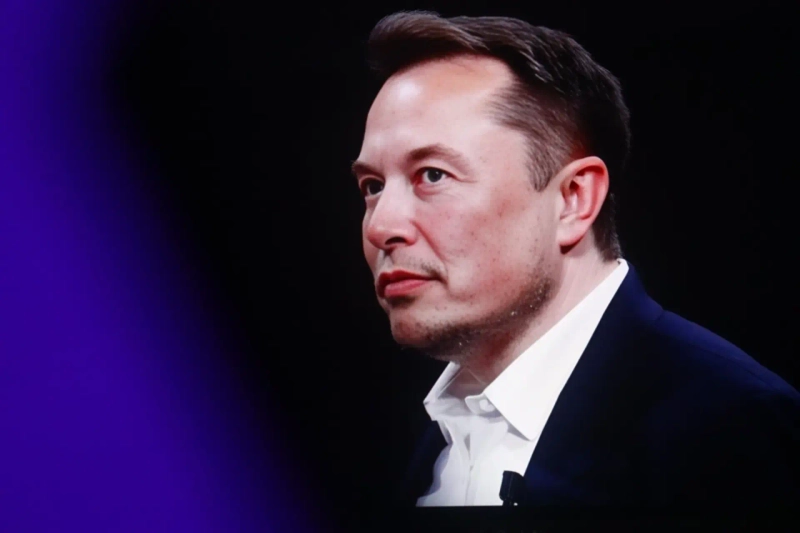
Tesla Chief Executive Officer Elon Musk has publicly criticized the pricing policies of memory makers other than Micron, but a US semiconductor analyst says the current price gains are the result of market forces caused by tight supply.
The Korea Times reported on October 19 that Jim Handy, founder and general director of Objective Analysis, said in a recent written interview that memory makers do not set product prices — the market does.
Handy said it is unrealistic for a single supplier to offer prices below those of rivals when supply is tight. If one company cuts prices, orders would surge and inventory would be depleted by early buyers, leaving it unable to supply other customers.
He said the current shortage in the DRAM and NAND flash markets largely reflects faster-than-expected growth in artificial intelligence infrastructure investment. If AI spending continues at the current pace, supply may not catch up with demand until after 2029, even if production capacity expands.
At the same time, Handy said the memory market could cool quickly if the AI investment boom fades. He said large data-center operators are not generating enough returns to justify their massive spending, and growth in AI-related outlays could slow at some point.
Musk wrote in a post on X on October 13 that Micron had been reasonable on future memory pricing, while other companies were demanding prices that were close to extortion. He did not name the companies directly, but because Samsung Electronics, SK Hynix and Micron dominate the global memory market, the criticism was widely interpreted as targeting Samsung Electronics and SK Hynix.
Musk’s sensitivity to memory prices comes as Tesla and xAI increase spending on AI. Large-scale data centers and in-house AI chip development require vast amounts of memory, making higher prices a direct cost burden.
Handy also cited the growth of Chinese memory makers as a factor that could reshape the market. He said ChangXin Memory Technologies, or CXMT, and Yangtze Memory Technologies, or YMTC, are rapidly increasing output, and that a new DRAM cell structure being pursued by CXMT could partly help China work around restrictions on imports of advanced equipment.

Minseung Kang
minriver@bloomingbit.ioBlockchain journalist | Writer of Trade Now & Altcoin Now, must-read content for investors.