PiCK
After One-Day Surge, Samsung Electronics and SK Hynix Slump as Rebound Hits Fresh Obstacles
Summary
- Brokerages said the semiconductor sector could rebound, citing undervaluation and P/E ratios at Samsung Electronics and SK Hynix.
- They said sustained profitability in memory semiconductors, stable inflation, and relief from the burden of tightening are the key variables for a recovery in share prices.
- Analysts said year-end LTA contracts, next year’s HBM pricing talks, AI semiconductor demand, and a Kospi target of 8,500 for next year will shape the investment outlook.
Forecast Trend Report by Period


Kospi whipsaws despite hopes for stronger chip earnings
Forward P/Es around 3 point to undervaluation
Memory profitability, easing inflation fears are key
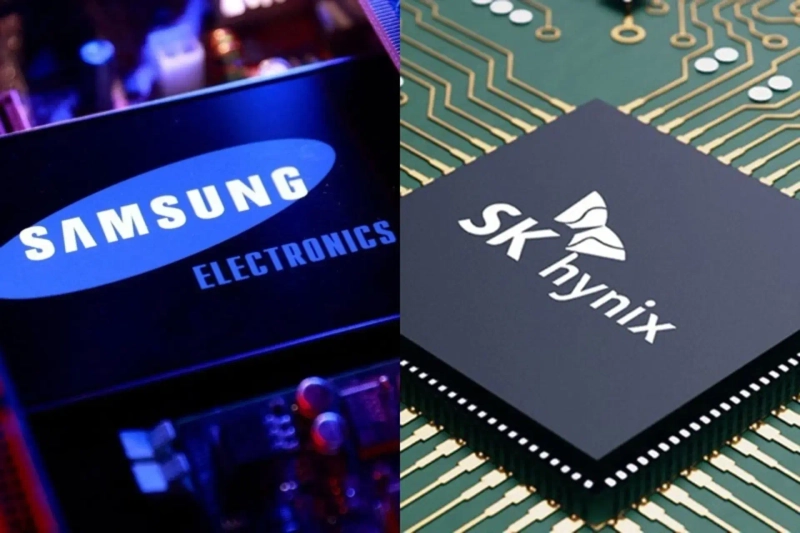
South Korea’s stock market is struggling to sustain a rebound even as brokerages argue that Samsung Electronics and SK Hynix are undervalued. Hopes for rising semiconductor earnings have at times lifted the shares, only for concerns over interest rates and artificial intelligence spending to weigh on them again. The market needs more than the view that the stocks have fallen too far; investors want evidence that future profitability will hold up.
According to the Korea Exchange, the Kospi closed at 5,533.77 on Oct. 22, down 3.52%. Samsung Electronics fell 4.03% to 214,500 won, while SK Hynix dropped 5.49% to 1.223 million won. That contrasted with the previous session, when the two stocks had risen 5.67% and 5.81%, respectively, helping drive the index higher.
The Kospi changed direction on each trading day this week. It rose 1.76% on Oct. 19, then fell 3.73% on Oct. 20. It gained 3.29% on Oct. 21 before declining again. The index repeatedly swung higher and lower alongside heavyweight chip stocks, highlighting fragile investor sentiment.
The market is grappling with two main questions: whether high profit levels in memory chips can be sustained, and when inflation pressure will ease enough to reduce the burden of tighter policy. Lee Eun-taek, an analyst at KB Securities, said a stock recovery would need at least one of those concerns to subside.
Brokerages see room for a rebound because of the gap between earnings and share prices. Kim Dong-won, head of research at KB Securities, said Samsung Electronics is trading at 3.3 times projected 2027 earnings and SK Hynix at 2.7 times. He expects demand for AI semiconductors to outstrip supply through 2028, and said worries over the financial burden facing AI cloud companies such as CoreWeave have been reflected too heavily in share prices. He added that a W-shaped rebound is likely to begin in November and December as the unusual disconnect between earnings and valuations narrows.
Still, a low price-to-earnings ratio supports a buying case only if confidence in earnings forecasts holds. Even if share prices stay unchanged, lower profit estimates would push the multiple higher. That is why year-end long-term agreement, or LTA, contracts and next year’s pricing talks for high-bandwidth memory, or HBM, are important. Securing sales volumes and prices in advance would reduce earnings volatility for chipmakers.
Ha Jang-kwon, an analyst at Hanwha Investment & Securities, said investors should pay attention to semiconductors and IT hardware from the fourth quarter of this year through the first quarter of next year. He projected a Kospi target of 8,500 for next year, with an expected range of 6,000 to 9,300.
Domestic monetary policy also remains tilted toward tightening. The Bank of Korea kept its benchmark interest rate unchanged at 3.00% on Oct. 22, while explicitly referring to the timing and pace of additional hikes in its policy guidance. The central bank held rates steady this time to assess the impact of increases in July and August, but it has not let up its guard on inflation. The view is that a rebound must be backed by both improving chip earnings and easing price pressures if it is to last longer than a day.

Doohyun Hwang
cow5361@bloomingbit.ioKEEP CALM AND HODL🍀