PiCK
Nasdaq Falls 2.6% as Fears Over AI Spending Hammer Tech Stocks
Summary
- Anxiety over artificial intelligence spending sent the Nasdaq Composite down 2.60%, while the S&P 500 fell 1.21%.
- Meta's AI spending burden, higher capital expenditure, a swing to negative free cash flow, and plans to introduce a new class of shares added to the selling pressure.
- Concerns over AI spending hammered semiconductor and AI infrastructure companies including Nvidia and the Philadelphia Semiconductor Index, while money moved into safe-haven assets such as the U.S. 10-year Treasury.
Forecast Trend Report by Period


Selling Spreads on Concerns Over AI Spending
Meta Drops 7%; Semiconductor Index Sinks 6.7%
US 10-Year Treasury Yield Falls Below 5%
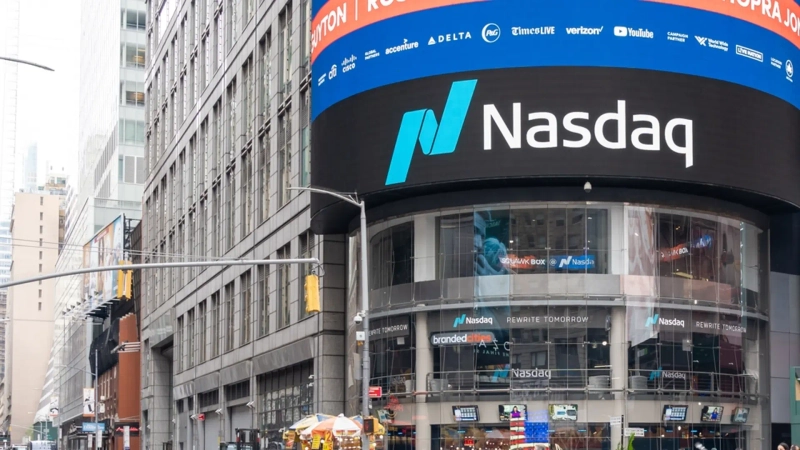
Anxiety over artificial intelligence spending swept through U.S. technology stocks. Questions over how companies will finance massive outlays on data centers and semiconductors, and when those investments will generate returns, triggered a broad selloff. The Nasdaq posted its biggest decline since June.
On October 22, the Nasdaq Composite closed down 694.00 points, or 2.60%, at 26,008.86 in New York. The S&P 500 fell 93.74 points, or 1.21%, to 7,663.43. The Dow Jones Industrial Average, by contrast, edged up 11.89 points, or 0.02%, to 52,867.98.
Meta was at the center of the selloff. Revenue beat market expectations, but net income missed estimates. Concern over the burden of AI investment also came into sharper focus, sending the stock down about 7%. Investors reacted more to the effect of higher spending on cash flow than to topline growth.
Meta raised its capital expenditure outlook for this year to $135 billion to $145 billion, from a previous range of $130 billion to $145 billion. Third-quarter free cash flow was negative $2.12 billion, reversing from a positive $10.63 billion a year earlier. The company also announced plans to introduce a new class of non-voting shares to help fund AI investment.
That added to concern that the cost of the AI spending race could spread beyond borrowing and into the equity market. If high interest rates make it harder for companies to take on more debt, they may turn to share issuance instead. That would dilute the value of existing shareholders' stakes. Matthew Maley, chief market strategist at Miller Tabak, said the selling reflected a growing view that it could take longer than expected to recoup those investments.
Semiconductor and AI infrastructure companies also fell on those concerns. Nvidia dropped 4.4%, while CoreWeave tumbled 10.1%. SpaceX also traded lower. The Philadelphia Semiconductor Index plunged 6.7%, while Intel, AMD, Sandisk and Marvell Technology each fell more than 8%.
Comments from Nvidia Chief Executive Officer Jensen Huang also underscored the funding issue. Huang said demand from AI-focused cloud providers known as neoclouds remains very strong. But they lack sufficient operating capital to support growth. Even if customer orders rise, expansion could be constrained if companies cannot secure the upfront funding needed to build servers and data centers.
Money leaving technology stocks flowed into the relative safety of U.S. Treasuries. The yield on the benchmark 10-year Treasury fell to 4.97% on October 22 from 5.13% a day earlier. Strong demand for bonds pushed prices higher and yields lower. The move showed investors shifting toward safe-haven assets as they weighed profitability and financial strain more closely after piling into the AI growth trade.

Doohyun Hwang
cow5361@bloomingbit.ioKEEP CALM AND HODL🍀