PiCK
BOK Seeks Reports on Domestic Crypto Balances of Users With Overseas Transfers
Summary
- The Bank of Korea is pushing a plan to receive regular reports on the domestic balances of users with a history of transferring virtual assets overseas.
- Exchanges would be required to submit the personal information of 1,272,878 users of cross-border cryptocurrency transfers, along with their monthly balances and daily deposit-and-withdrawal transaction data, to the BOK.
- The government plans to share the cryptocurrency transfer data collected by the BOK with the National Tax Service, Korea Customs Service, the Financial Supervisory Service and the Financial Intelligence Unit (FIU) for use in investigations into illegal foreign-exchange transactions.
Forecast Trend Report by Period


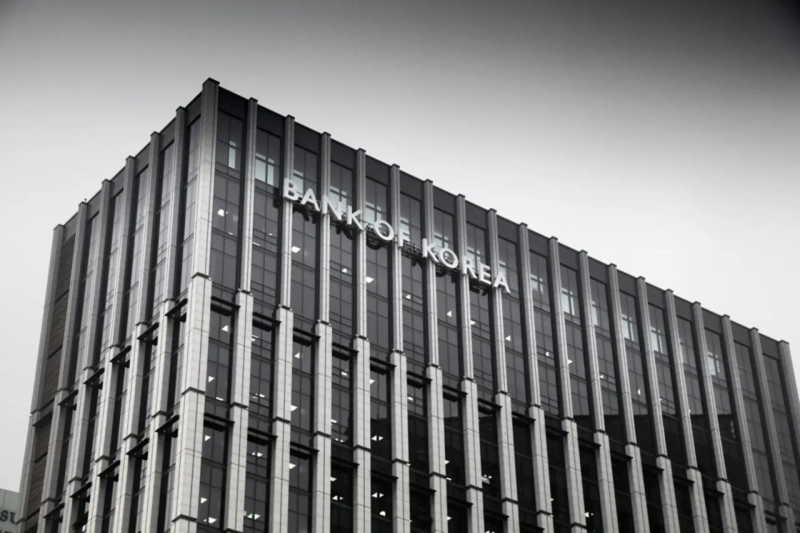
The Bank of Korea is moving to require regular reports on the domestic crypto holdings of users with a history of transferring virtual assets overseas.
According to a foreign-exchange reporting manual for virtual-asset transfer operators obtained by Rep. Park Soo-young of the National Assembly’s Strategy and Finance Committee on October 23, the BOK is preparing a system to receive daily transfer records and monthly balance data from exchanges. The manual was delivered to the Digital Asset eXchange Alliance, or DAXA, on October 2.
The key issue is that the system would collect not only records of overseas transfers but also balances of virtual assets still held in South Korea. Monthly balance reports submitted by exchanges would include users’ personal information and their holdings.
More than 1.27 million users would be affected. According to Park, a total of 1,272,878 customers at South Korea’s five major exchanges used cross-border cryptocurrency transfer services between July 19, 2024, and September 30, 2026.
The daily reports would include more detailed transaction data. Exchanges must submit records of cryptocurrency deposits and withdrawals processed that day to the BOK by 11 a.m. the following day. Reportable items include information on senders and recipients, transaction records and resident registration numbers.
The reporting framework is being prepared ahead of the revised Foreign Exchange Transactions Act taking effect on December 3. The government plans to collect cryptocurrency transfer data at the BOK, the country’s foreign-exchange information hub, and share it with the National Tax Service, Korea Customs Service, the Financial Supervisory Service and the Financial Intelligence Unit, or FIU, for use in investigations into illegal foreign-exchange transactions.
Park said collecting personal information and information on domestic asset holdings simply because a user made an overseas transfer once would make the scope of data collection excessively broad. He added that requiring sweeping data reporting ahead of crypto taxation could further damp the market.

Doohyun Hwang
cow5361@bloomingbit.ioKEEP CALM AND HODL🍀