PiCK
Oil Shock Knocks New York Stocks Lower; Even Defensive Shares Fail to Hold
Summary
- Middle East-driven oil prices surged and inflation worries deepened, sending the Dow, S&P 500 and Nasdaq all lower at the close.
- Energy shares gained on expectations they would benefit from higher oil prices, but defensive sectors such as consumer staples, utilities and healthcare, along with financial stocks, were weaker.
- Concerns over the Fed's tightening burden were reflected in the 10-year US Treasury yield rising to around 4.99% and gold falling to its lowest level in three months.
Forecast Trend Report by Period


Brent crude rises 3.1% to $116.72
Dow drops 1.23% as financials and consumer shares weaken
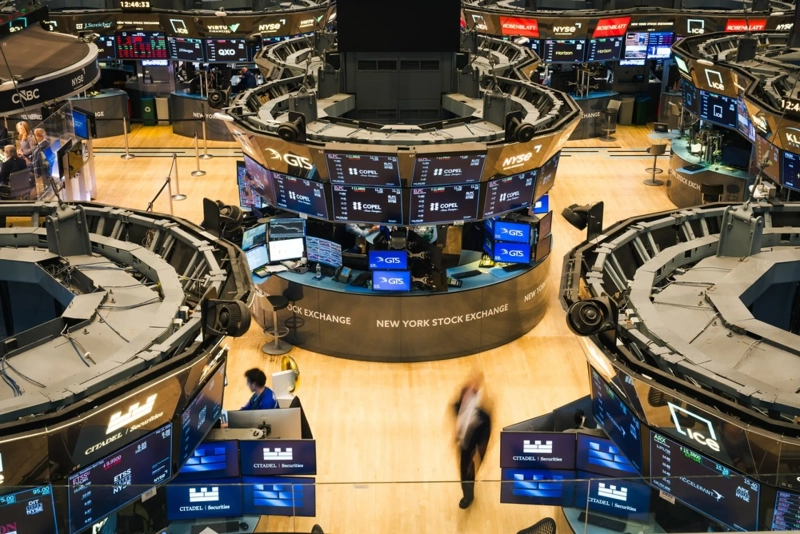
New York stocks fell again as an oil-price shock from the Middle East rattled markets. Some semiconductor shares rebounded after tumbling a day earlier, but that was not enough to stop a broader selloff. Concerns over the cost of artificial-intelligence investment, along with high oil prices and inflation worries, weighed on sentiment.
On October 23, the Dow Jones Industrial Average closed down 652.82 points, or 1.23%, at 52,215.16. The S&P 500 fell 0.52% to 7,623.68, while the Nasdaq Composite slipped 0.21% to 25,955.34.
Oil supply fears were the main pressure on the market. Reports said the US was deploying additional military assets to the Middle East and weighing renewed strikes involving Israel and Iran. Iran warned that if attacks resume, it could also hit civilian and economic infrastructure in neighboring Gulf states, including airports and pipelines. Attacks by Yemen's Houthi rebels targeting Saudi Arabia also added to concerns over energy supply disruptions.
Brent crude futures for December delivery settled up 3.1% at $116.72 a barrel, the highest close since April 29. West Texas Intermediate futures climbed 3.8% to $103.27. Investors grew more wary that higher oil prices could lift both corporate costs and consumer prices.
Defensive sectors such as consumer staples, utilities and healthcare also weakened. Among financial stocks, American Express fell 3.7%. The company announced with its earnings a restructuring plan to cut about 5% of its global workforce. Goldman Sachs dropped 1.8%, while industrial bellwether Caterpillar lost 2.4%.
Some chip stocks recovered part of their losses. Micron Technology rose 2.5% and AMD gained 1.7%. Energy shares also advanced on expectations they would benefit from higher oil prices. Chevron added 2.9% and ConocoPhillips climbed 3.6%. Even so, gains in those names were not enough to change the broader market mood.
In the bond market, yields rebounded after tumbling a day earlier. The yield on the 10-year US Treasury rose to around 4.99%. That reflected concerns that if higher energy prices delay progress on inflation, the Federal Reserve may have to keep policy tight for longer.
Gold fell below $4,000 an ounce during the session, reaching its lowest level in about three months. Some analysts said investors sold gold and silver to raise cash and meet margin calls in the stock market, adding to pressure from higher yields.
Next week brings the Fed's rate decision and earnings from Big Tech. After the Federal Open Market Committee meeting on October 27-28, investors will turn to results and investment plans from Alphabet, Microsoft and Amazon.

Doohyun Hwang
cow5361@bloomingbit.ioKEEP CALM AND HODL🍀