Trim Shipbuilders, Defense and Nuclear Stocks, Add Battery Shares; US Big Tech Also a Buy, Adviser Says
Summary
- Park said investors should continue to hold blue-chip stocks and, if they have spare cash, use this as a chance to raise exposure to big tech names such as Amazon, Alphabet and Microsoft.
- He said domestic portfolios should cut exposure to shipbuilding, defense, nuclear power and power equipment and be concentrated in names with clear earnings visibility, including semiconductors, Samsung Electro-Mechanics and secondary batteries.
- He recommended an overall asset mix of 50% stocks, 30% bonds, 10% gold and 10% cash, and said investors should use three- to five-year bonds and US dollar assets as buying opportunities.
Forecast Trend Report by Period


Park Chan-kyu, Mirae Asset Securities
Head of WM Daechi Branch
Fourth Quarter to Mark a Bottoming Process
Rebound Expected After US Midterm Elections
The full interview is available on Hankyung Premium 9, the Korea Economic Daily’s paid investment and personal finance platform, at www.hankyung.com/premium9.
“A lot of the bad news is already reflected in current share prices. Investors should keep high-quality stocks backed by solid earnings power, and if they have cash on hand, this is a chance to raise exposure to big tech names such as Amazon, Alphabet and Microsoft.”
Park Chan-kyu, head of WM Daechi Branch at Mirae Asset Securities and an 18-year private-banking veteran, said on Oct. 25 that investors may want to buy in stages rather than sell, even as the Kospi remains sluggish on concerns over artificial intelligence investment. He cited book value to support that view. Samsung Electronics has fallen to the 210,000-won range, close to 180,000 won, its price-to-book ratio of 1. SK Hynix has dropped to the 1.2 million-won range, near 1 million won, which also marks a PBR of 1. In his view, unless a worst-case scenario unfolds, such as a string of bankruptcies among neo-cloud providers including CoreWeave, most market concerns have been priced in at about 1.1 times book value. The S&P 500’s forward price-to-earnings ratio is 18.8, below its recent three-year average of 21.
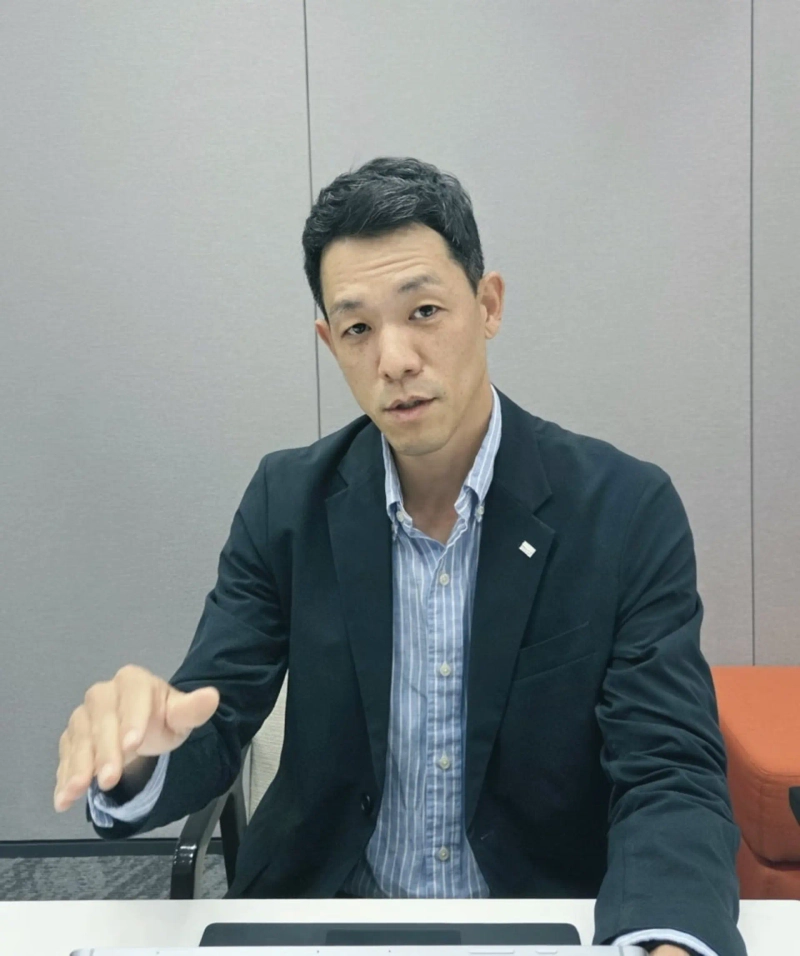
Park identified proof of profitability from AI investment as the key to a rebound. Earnings per share are still rising steadily at both Korean and US companies. If this week’s big tech earnings show that AI spending is translating into actual profit, stocks should rebound. A simultaneous rise in inflation and interest rates driven by the Middle East conflict remains a variable. “The fourth quarter will be a process of building a bottom,” he said. “The market mood is likely to change only after the uncertainty of the US midterm elections is removed.” He also emphasized that US stocks have historically risen an average of 15% to 16% in the six months after midterm elections.
For Korean equities, he advised narrowing portfolios to companies with durable earnings power. “The first sectors to correct — shipbuilding, defense, nuclear power and power equipment — need to be trimmed,” he said. “If a stock moves beyond a pre-set loss threshold, it is better to cut losses than average down.” He named Samsung Electronics, SK Hynix and Samsung Electro-Mechanics as stocks investors should hold through the cycle because of clear earnings visibility. He also cited secondary battery makers as worth adding, given continued orders for energy storage systems for data centers and limited supply overhang.
Park recommended allocating 70% to US stocks and 30% to Korean shares, or 60% and 40%. He said the three hyperscalers — Amazon, Alphabet and Microsoft — may post negative free cash flow through 2027, but that should improve sharply from 2028. His advice was to use the recent strength in the won as a chance to buy US dollar assets.
For overall assets, he recommended a mix of 50% stocks, 30% bonds, 10% gold and 10% cash. For bond holdings, he said investors should favor bonds maturing in three to five years with yields to maturity of 4.7% to 5.0%, rather than long-duration bond exchange-traded funds. “Wealthy investors in Daechi-dong have recently been putting proceeds from property sales into bonds and waiting on the sidelines, while looking for opportunities to buy core AI stocks in stages after the US midterm elections,” he added.
“In a rising market, investors can simply follow the market. In a falling market, they need rules to protect assets,” Park said. “The first thing to check is whether the companies they own have earnings and balance sheets strong enough to withstand high interest rates.”
Ahn Sang-mi, Korea Economic Daily reporter saramin@hankyung.com

Korea Economic Daily
hankyung@bloomingbit.ioThe Korea Economic Daily Global is a digital media where latest news on Korean companies, industries, and financial markets.