Warsh Says Fed Will Keep 2% Inflation Goal, Gives No Clear Signal on December Rate Increase
Summary
- The Fed held its benchmark rate at 3.75% to 4.00%, but said it would maintain its 2% inflation goal, adding that there is “no loose inflation target.”
- The Fed acknowledged elevated inflation and strong economic activity, but stopped short of committing to a rate increase in December, saying it wants to review more economic data and the effects of previous tightening.
- Warsh said financial conditions have become more restrictive but are still hard to describe as sufficiently tight, indicating that the latest pause is not a signal that tightening is over.
Forecast Trend Report by Period


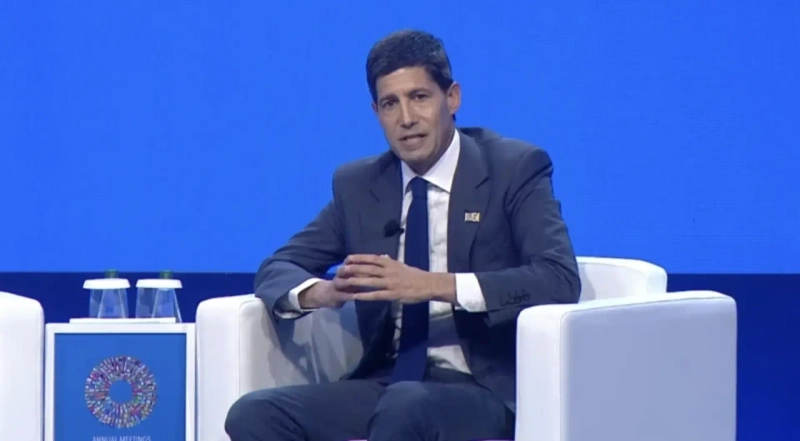
Federal Reserve Chair Kevin Warsh left interest rates unchanged while reaffirming the central bank’s commitment to price stability. He did not give a clear signal on whether the Fed will raise rates again in December. Instead, he said policymakers want to review more economic data and assess the effects of the previous increase before taking further action.
The Fed kept its benchmark rate unchanged at 3.75% to 4.00% at the Federal Open Market Committee meeting on Oct. 28. It was the first pause after the September increase. Ten officials supported the decision, while Governor Lisa Cook and Cleveland Fed President Beth Hammack dissented in favor of a 0.25 percentage-point increase.
At a press conference, Warsh stressed that the decision to hold rates steady did not mean the Fed was tolerating high inflation. Asked whether the central bank was effectively accepting an inflation target above 2%, he replied that there is “no loose inflation target.” He added that more information is needed before the Fed makes its next policy decision.
The Fed’s assessment of the economy also remained firm. In its statement, the central bank said economic activity is expanding at a “solid pace,” with consumer spending resilient and business investment active. Job growth is keeping pace with labor-force growth, and the unemployment rate has shown little change. That language offered little support for the view that the Fed paused because of concerns about an economic slowdown.
On financial conditions, Warsh acknowledged tighter conditions while leaving the door open to further action. “Overall financial conditions have become more restrictive, but it is hard to call them restrictive,” he said. The Fed has been monitoring changes in Treasury yields and credit conditions since the September increase, but does not yet judge current conditions to be restrictive enough.
That means the latest pause is difficult to interpret as a signal that tightening is over. Elevated inflation and strong economic activity support the case for another increase, while changes already underway in financial conditions give policymakers time to evaluate their effects. Warsh also maintained his longstanding position that he will not pre-commit to the outcome of the next meeting.
The Fed’s effort to reduce forward guidance on the rate path remains a point of debate inside the central bank. The Wall Street Journal previously reported that some officials believe policymakers should still explain the framework for decisions based on incoming economic data, even if they do not promise a future rate path. The concern is that other officials could fill the gap left by the chair’s more limited comments, sending mixed signals to markets.
Warsh also signaled changes to the way the FOMC will operate. The committee plans to keep holding eight meetings a year, but in 2027 it will devote one meeting to monetary policy strategy discussions without a rate vote or policy statement. In 2028, it expects to hold two strategy meetings and six rate-setting meetings. The change would create longer gaps between rate decisions and give policymakers more time to assess the economy.

YM Lee
20min@bloomingbit.ioCrypto Chatterbox_ tlg@Bloomingbit_YMLEE