Republicans Split After Midterm Rout, With Vance Distancing Himself From Trump
Summary
- Republicans have split over responsibility for their U.S. midterm election defeat, with the Iran war emerging as the central issue.
- JD Vice President Vance said the Iran war was the cause of the defeat and cited ending the war, addressing cost-of-living pressures, and advancing an America First agenda as ways to reunite the party's base.
- President Trump acknowledged that the Iran war had some impact on the defeat, but argued that voters were more upset about rising gasoline prices than the war itself.
Forecast Trend Report by Period


Vance moves to distinguish himself from Trump's pro-war stance
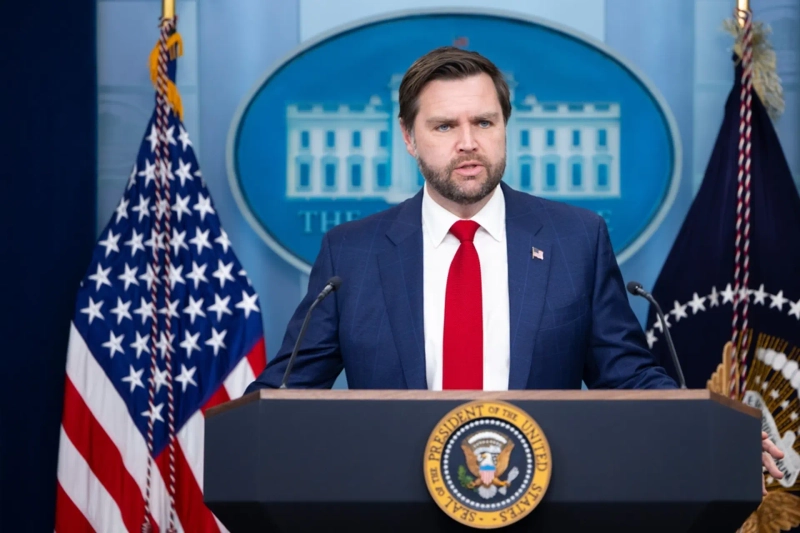
The Republican Party, reeling from a crushing defeat in the U.S. midterm elections, is split over who is to blame. President Donald Trump has repeatedly defended the need for war with Iran. Vice President JD Vance, by contrast, identified the conflict as the main reason for the loss. The move is being interpreted as an effort to differentiate himself from Trump ahead of the next presidential election.
Bloomberg reported on November 5 that Vance wrote on social media on November 4 that the party's election defeat stemmed from the war with Iran. He cited ending the war, addressing cost-of-living pressures, advancing an America First agenda and resetting ties with Israel as ways to rally the party's base again.
Trump also acknowledged that the war with Iran contributed in part to the defeat. He argued, however, that voters were less upset about the war itself than about rising gasoline prices. At an event marking construction of a White House banquet hall, Trump said, "If we had to do it again, I would," adding that "we cannot allow Iran to have a nuclear weapon."
Vance also took aim at Republican figures backing the war. "If you want to argue that it was worth losing the Senate for the next six years," he wrote, referring to a Senate term, "then go ahead." He added: "We all know why we lost."
Vance is also regarded within the administration as skeptical of attacking Iran. He played a key role in peace talks earlier this year and argued in June that an agreement should be reached even if that meant accepting Iran's main demands. He also differed with Trump on Israel policy. He did not support Israeli Prime Minister Benjamin Netanyahu's re-election and at one point criticized some Israeli officials for manipulating public opinion to keep the war going indefinitely.
Some view Vance's move as a political survival strategy. Representative Sean Casten, a Democrat, said Vance was not acting out of conscience or conviction. Instead, Casten said, he understood that as a politician seeking higher office, he needed to distinguish himself from Trump.
Oh Se-seong, Hankyung.com reporter sesung@hankyung.com

Korea Economic Daily
hankyung@bloomingbit.ioThe Korea Economic Daily Global is a digital media where latest news on Korean companies, industries, and financial markets.