PiCK
Oil Drops, Gold Jumps as Democrats’ US Midterm Landslide Jolts Markets
Summary
- After the US Democrats’ landslide midterm victory, international oil prices, US Treasury yields and the dollar weakened, while gold prices rose more than 3%.
- Expectations grew that Brent crude could test below $90 a barrel on hopes for an early end to the Middle East war and prospects for increased oil supply.
- Even amid hopes for a smaller fiscal deficit and concern over tighter AI data center regulation, many investment banks said risks tied to the fiscal deficit, government spending, and further Fed rate hikes remain in place.
Forecast Trend Report by Period


Economic Indicators Swing on Expectations Trump’s Agenda Will Be Checked
Oil Drops on Hopes Middle East War May End
US 10-Year Treasury Yield Also Falls
“President Still Holds Broad Power Over Tariffs and Foreign Policy”
Some Urge Caution on How Much Policy Will Change
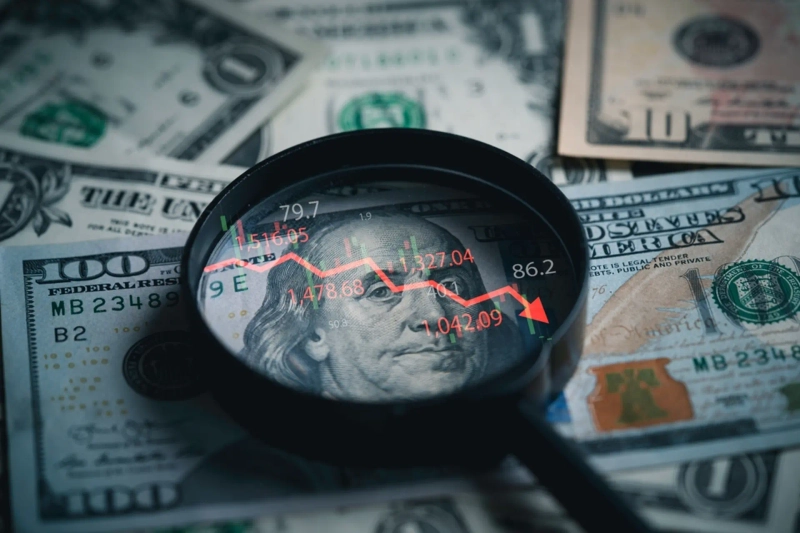
Global financial markets were jolted after the US Democratic Party scored a landslide victory in the midterm elections. International oil prices, US Treasury yields and the dollar fell, while gold climbed more than 3%. Investors are betting Democratic control of Congress will check President Donald Trump’s push on the Middle East war and expanded fiscal spending. That has raised hopes inflation pressures may ease, though many investment banks still lean toward further monetary tightening.
International Oil Prices Tumble
In New York trading on Nov. 4, front-month Brent crude futures settled at $94.62 a barrel, down 8.7% from the previous day. Brent extended its losses in Asian trading on Nov. 5, falling into the $93-a-barrel range.
The move was driven by expectations that the Middle East war could end sooner than previously thought. Trump said that day he had no plans to bomb Iran, signaling he would not escalate the conflict. Senate Democratic leader Chuck Schumer is also pressing the Trump administration to halt the war.
That was compounded by the view that global crude supply is beginning to outpace demand. JPMorgan Research said easing disruptions to shipping through the Strait of Hormuz helped Middle Eastern oil exports rise to 20.7 million barrels a day recently from 9.8 million barrels a day in March. HSBC raised its forecast for Saudi Arabia’s oil production. On Wall Street, some expect Brent to test below $90 a barrel in the near term if the supply recovery continues.
Expectations Grow for Lower Rate Pressure
Expectations are also rising that the US fiscal deficit, which stood at $1.992 trillion at the end of September, could narrow. Deutsche Bank economist Jim Reid said an aggressive fiscal stimulus package from Trump would be harder to push through under divided government. Some analysts also said tighter Democratic regulation of artificial intelligence data centers could slow the pace of US economic growth.
The US 10-year Treasury yield fell 6 basis points to 4.89% from 4.95%. The move reflected expectations that softer inflation and a possible slowdown in growth will keep the Federal Reserve cautious on further rate increases. The dollar index, which measures the greenback against six major peers, fell 0.23%. Spot gold, which typically moves inversely to the dollar, rose 3.49% to $4,065.8 an ounce.
‘Democrats Spend More’
Still, there is no shortage of views that the economy may not unfold the way markets hope. A number of investment banks expect the fiscal deficit to remain elevated. Morgan Stanley said the federal deficit would not fall below about 6% of gross domestic product even under a Democratic Congress. Democrats may block additional tax cuts while seeking to soften welfare spending reductions and extend health-insurance subsidies. Goldman Sachs also said government spending next year would rise by about 0.25% of GDP if Democrats restore part of the cuts to health subsidies and food-assistance programs.
That could also make it harder for the Fed to pivot its policy stance. CME FedWatch showed the probability of a 25-basis-point rate increase in December rose to 81.8% on Nov. 4 from 77.4% a day earlier. The reasoning is that lower oil prices take time to feed through to inflation.
Investment banks also remain closer to a “growth continues, inflation cools slowly” outlook than to a sharp AI-driven downturn. Morgan Stanley said the chances of a federal halt to nationwide AI infrastructure construction are low. It added that projects may become more sensitive to power costs, grid connections, land and water permits, and local opposition. HSBC said a broad shutdown of data centers is less likely than project relocations or tighter oversight. Both banks maintained their forecasts for a Fed rate increase in December.
Hwang Jeong-su, New York correspondent, Hankyung.com, hjs@hankyung.com

Korea Economic Daily
hankyung@bloomingbit.ioThe Korea Economic Daily Global is a digital media where latest news on Korean companies, industries, and financial markets.