PiCK
Kospi Slides as Markets Look to CoreWeave, Nvidia Earnings for AI Outlook
Summary
- The Kospi fell 6.02% and dropped 11.71% over the week, as concerns over AI data-center regulation and selling in semiconductor shares weighed on the market.
- Brokerages said earnings reports from CoreWeave, Nvidia, and Nebius, along with their data-center investment plans, could mark a turning point for a recovery in AI investment sentiment.
- They said October CPI and PPI, U.S. Treasury yields, the dollar, the won-dollar exchange rate, and any adjustment in the pace of AI investment will be key market variables going forward.
Forecast Trend Report by Period


CoreWeave to outline investment plans on Nov. 11
Nvidia earnings also due
US inflation and rate trends also in focus
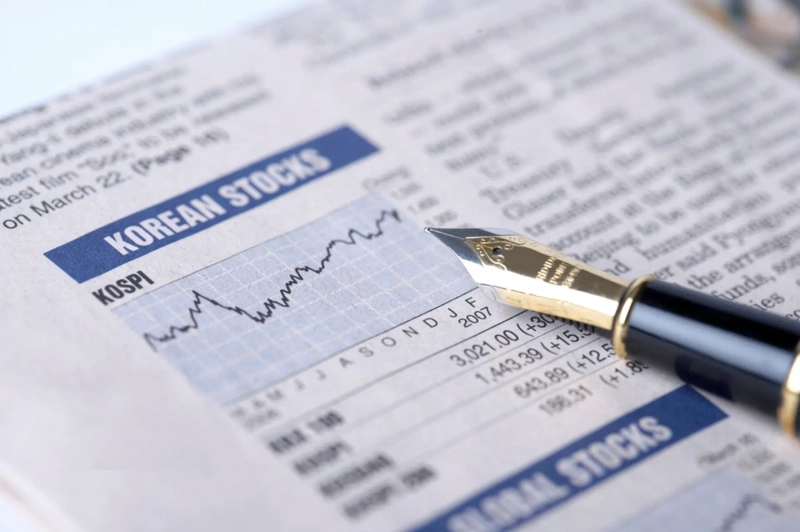
South Korean stocks, hit by fears of a pullback in U.S.-led artificial intelligence investment, are heading into a run of earnings announcements from major companies. Brokerages say lower valuations alone are unlikely to revive investor sentiment, with the focus instead on data-center operators’ spending plans and earnings outlooks.
According to the Korea Exchange on Nov. 7, the Kospi closed down 6.02% at 5,059.69 the previous day. It fell as low as 4,911.28 during the session, triggering a circuit breaker. Compared with the Oct. 30 close, the index has dropped 11.71% over the past week. Selling was concentrated in semiconductor shares after the U.S. midterm elections sharpened concerns that data-center regulation could be tightened.
The first major event for gauging sentiment toward semiconductor investment is CoreWeave’s earnings call, scheduled for the morning of Nov. 11 Korea time. The event comes after fears emerged over a moratorium on AI data-center construction, and investors will be looking for details on the company’s investment plans and response. CoreWeave is set to hold the call at 5 p.m. Eastern Time on Nov. 10.
Korea Investment & Securities said in a Nov. 6 report that earnings releases from CoreWeave and Nvidia could become a turning point for investor sentiment. If companies present concrete post-election responses and future guidance, uncertainty around AI data-center investment could ease and relief sentiment could build across the sector.
AI cloud company Nebius is due to report earnings on Nov. 12. In August, the company said customer prepayments this year were expected to exceed $9 billion. It also raised its year-end target for secured contracted power capacity to 5 gigawatts. Investors will be watching this earnings release for signs on whether Nebius maintains its existing investment and business outlook, and whether its data-center operating schedule changes.
Nvidia is scheduled to report earnings on Nov. 18 Korea time. The company will release results after the close in the U.S. on Nov. 17 and hold a conference call. Korea Investment & Securities said that event should also provide a clearer picture of the company’s response to data-center investment trends and its outlook.
Before those corporate earnings, the U.S. is due to release its October consumer price index on Nov. 10. September CPI rose 0.6% from the previous month and 3.7% from a year earlier. Core inflation, which excludes food and energy, increased 0.3% on the month. The October jobs report, released on Nov. 6, showed nonfarm payrolls rose by 165,000 and average hourly earnings climbed 0.4% from a month earlier, keeping markets on guard over inflation and interest rates.
This CPI report will not include year-on-year readings for many categories because of statistical gaps caused by last year’s federal government shutdown. The October producer price index, a gauge of companies’ cost pressures, will be released on Nov. 13.
Some analysts also say Democratic control of Congress could, over the medium to long term, help ease pressure from interest rates and exchange rates. Cho Yong-gu, a research fellow at Shinhan Securities, said the Trump administration’s policy drive may lose momentum, pushing down U.S. Treasury yields and leaving the dollar slightly weaker. That would also add downward pressure on the won-dollar exchange rate.
Still, Cho said Democratic policies are unlikely to be implemented immediately given the president’s executive powers and veto authority. Investors also need to monitor Trump’s response, whether AI investment is paced more slowly, and the direction of the dollar.
Park Tae-hyung, head of the PB branch at Woori Bank’s TCE Signature Center, said AI investment is tied not only to national rivalry for technological leadership but also to corporate survival. Markets should not conclude from current concerns alone that the AI investment cycle will turn down, he added.

Doohyun Hwang
cow5361@bloomingbit.ioKEEP CALM AND HODL🍀