Greece to Tax Individual Crypto Capital Gains at 10% Next Year, Staking Income at 15%
Summary
- Greece passed a bill to impose a 10% tax on individual capital gains from virtual-asset investments starting next year.
- Income from staking, virtual-asset lending and DeFi liquidity provision will be classified as interest income and subject to a 15% tax rate.
- Annual net profit from virtual assets of 500 euros or less will be tax-exempt, but once that threshold is exceeded, the full amount will be taxed at 10%. Any annual net loss above 500 euros can be carried forward for five years and deducted.
Forecast Trend Report by Period


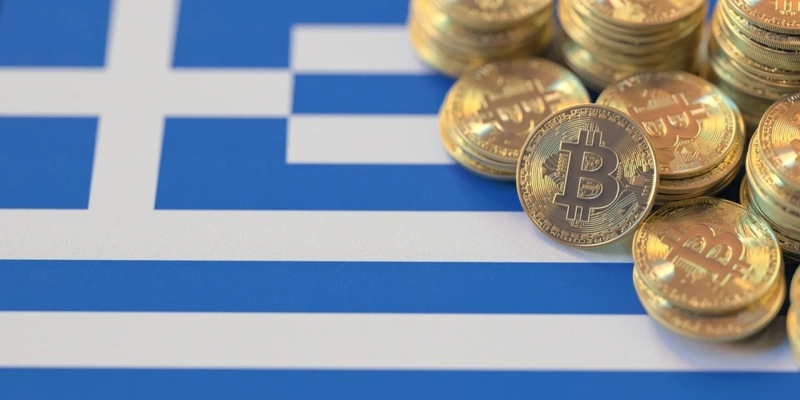
Greece will impose a 10% tax on individual capital gains from virtual-asset investments starting next year. Income from staking, crypto lending and similar activities will be subject to a separate 15% tax rate.
On Nov. 5, the Greek parliament passed a bill containing the measures. It marks the country’s first comprehensive tax framework for virtual-asset income, with the main provisions taking effect on Jan. 1, 2027.
Individual investors will pay no tax if their annual net profit from virtual assets is 500 euros or less. Once that threshold is exceeded, however, the 10% rate applies to the full net profit rather than only the amount above 500 euros. Taxable events include not only sales of virtual assets into fiat currency, but also their use to purchase goods or services or as in-kind contributions to companies. If annual net losses exceed 500 euros, those losses can be carried forward for up to five years and deducted from future capital gains on virtual-asset transfers.
Rewards earned through staking, lending and providing liquidity to decentralized finance, or DeFi, protocols will be classified as interest income and taxed at 15%. If the income is received in virtual assets rather than cash, it will be calculated based on the euro price at the time of the transaction.
The government will offer a 12-month voluntary disclosure window for previously unreported investment gains and related income. Taxpayers who file and pay within 60 days may qualify for waivers of late-filing penalties and interest, depending on the circumstances.

Doohyun Hwang
cow5361@bloomingbit.ioKEEP CALM AND HODL🍀