SpaceX Falls 2% After Hours After Failed Starship Booster Recovery
Summary
- SpaceX shares fell 2.05% in after-hours trading, a move that appeared to weigh on expectations for fully reusable technology.
- During Starship's 15th test flight, the company failed to recover the first-stage booster, and Super Heavy fell into the sea.
- SpaceX has previously said delays in Starship development and securing reusability technology could disrupt its growth strategy for next-generation satellite communications.
Forecast Trend Report by Period


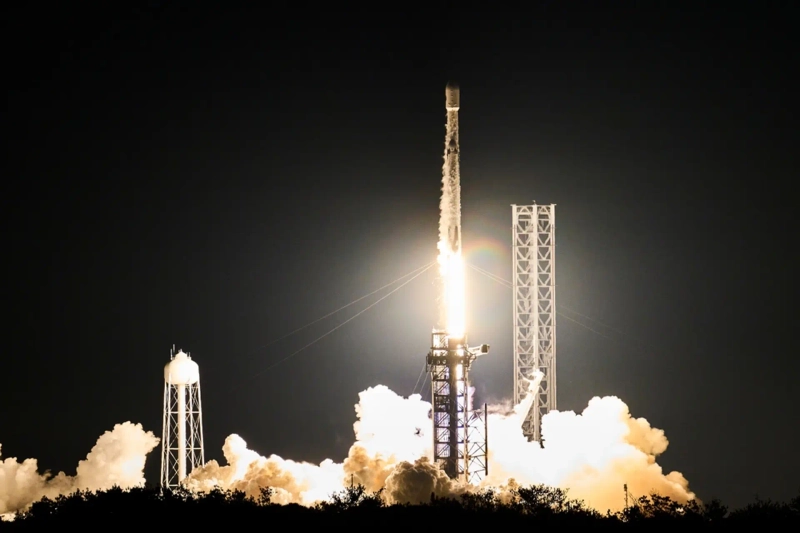
SpaceX shares fell more than 2% in after-hours trading after the company failed to recover the first-stage booster during the 15th test flight of its next-generation Starship rocket. The setback appeared to weigh on expectations for fully reusable launch technology.
On Nov. 13, SpaceX closed regular trading down 0.59% from the previous session at $139.11. In after-hours trading, the stock was down 2.05% from the regular-session close at $136.26 as of 7:59 p.m.
Later that day, SpaceX conducted Starship's 15th test flight in Texas. The goal was to bring both the spacecraft and its first-stage booster, Super Heavy, back to the launch site for recovery. But a problem emerged early in the flight, forcing the company to abandon the booster recovery attempt. The booster then fell into the sea near the launch site. The launch took place after the regular market close.
The upper-stage spacecraft successfully reached orbit and deployed 26 next-generation Starlink satellites. After about 22 hours of flight, it is scheduled to return to the launch site on Nov. 14 for a separate recovery attempt.
SpaceX aims to lower launch costs and increase flight frequency by recovering and reusing the entire rocket. The company previously said in an investor presentation that delays in Starship development and in securing reusability technology could disrupt its growth strategy for next-generation satellite deployment and satellite communications.

Doohyun Hwang
cow5361@bloomingbit.ioKEEP CALM AND HODL🍀