Ledger Rolls Out Clear Signing on Solana, Letting Users Review Transaction Details Before Signing
Summary
- Hardware wallet maker Ledger said it has introduced Clear Signing on the Solana (SOL) network, allowing users to review transaction details directly before signing.
- Ledger added that users will be able to view the assets being sent and received in plain language when swapping on Jupiter, calling it a major step forward for Solana users overall.
- Ledger said it worked with the Solana Foundation and Anza to support Clear Signing across nine Solana apps and 18 of 22 functions, while also unveiling Kamino, AI agent tools and Ledger Atom.
Forecast Trend Report by Period


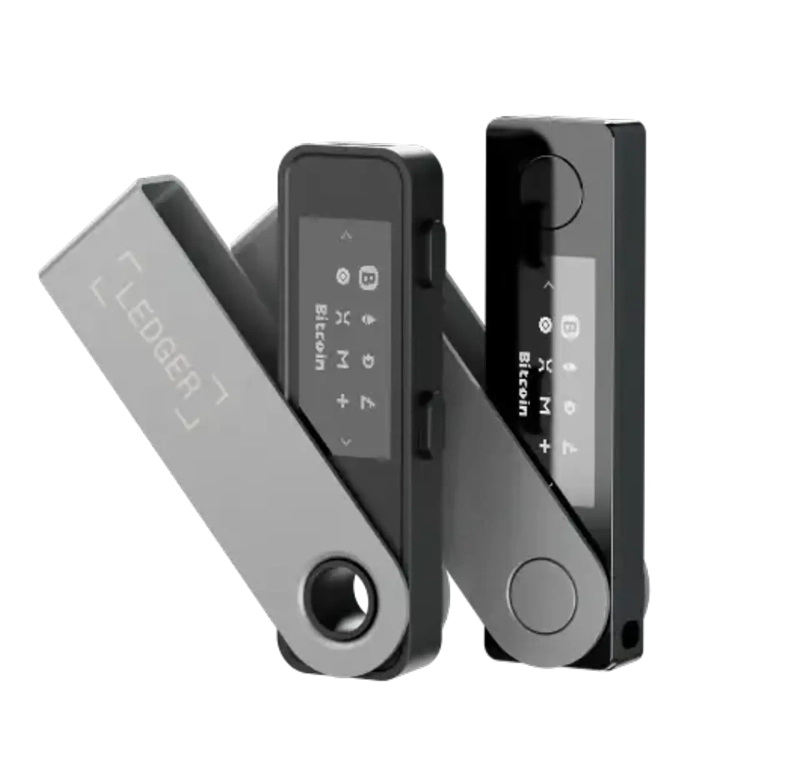
Hardware wallet maker Ledger has rolled out Clear Signing on the Solana network, allowing users to review transaction details directly before signing.
Decrypt reported on November 16 that Ledger said on X that most Solana decentralized finance transactions on its devices had until now relied on blind signing. Users can now review, in plain language, the assets they are sending and receiving before approving swaps on decentralized exchange aggregator Jupiter.
Blind signing requires users to approve transactions displayed in data formats that are difficult to interpret. That has long been viewed as a weakness in hardware wallets because it makes malicious requests harder to detect. At the Solana Breakpoint conference, Ledger Chief Experience Alchemist Ian Rogers compared blind signing to “signing a blank check.”
A single Jupiter swap previously required users to click through 13 hard-to-read screens on a Ledger device, Rogers said. That has now been reduced to three screens, allowing users to check the asset being sent, the asset being received and the counterparty in sequence. He added that the change marks a major step forward for Solana users.
Clear Signing currently supports nine Solana apps and 18 of the 22 most-used functions on the network. Ledger built the feature in collaboration with the Solana Foundation and Anza, the developer of the Solana validator client Agave. Jupiter and lending protocol Kamino are among the first supported apps.
Ledger also unveiled tools related to AI agents. Under the system, users must approve every transfer directly on their Ledger device, while the agent itself does not hold the keys. Last month, the company also launched Agent Intents, which lets users handle approval requests at their convenience while agents continue working. Ledger also introduced Ledger Atom, a touchscreen device built on the Android Open Source Project. When users sign a transaction, the screen switches to Ledger’s secure chip so sensitive information is not exposed to Android.

Minseung Kang
minriver@bloomingbit.ioBlockchain journalist | Writer of Trade Now & Altcoin Now, must-read content for investors.