South Korea’s FSS Tells 28 Crypto Firms to Recheck Security Against AI-Driven Hacks
Summary
- The Financial Supervisory Service said it had ordered 28 domestic virtual asset service providers to reexamine their security systems against hacking attempts using AI.
- The FSS said firms should strengthen management of IT vulnerabilities and review IT assets and external connection routes, including external access points and APIs, from the ground up.
- The regulator said information leaks and asset theft caused by cyber incidents could erode confidence in the broader virtual asset market, and it outlined emergency response guidelines and standards for full inspections of external access points across the financial sector.
Forecast Trend Report by Period


Security chiefs from 28 firms called in to discuss countermeasures
Regulator urges ground-up checks of external links and API vulnerabilities
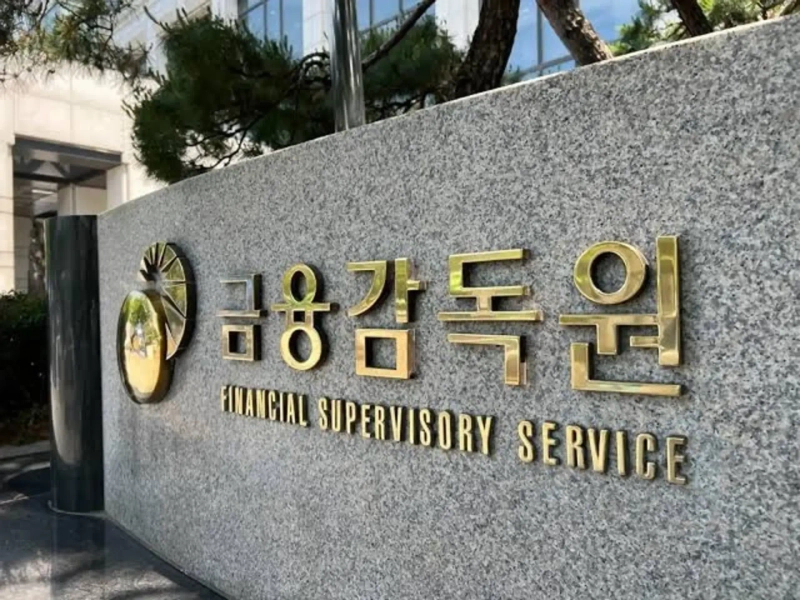
South Korea’s Financial Supervisory Service has ordered 28 domestic virtual asset service providers to reexamine their security systems against hacking attempts using artificial intelligence. It said firms should go beyond merely reviewing past inspection results and have development and operations teams join efforts to identify IT vulnerabilities.
The FSS held a “cyber incident response meeting” on Nov. 20 with chief information security officers and security staff from virtual asset firms. The session was convened to gauge the industry’s readiness after a series of major security breaches at overseas crypto exchanges.
The regulator is focused on attacks that use AI to quickly find and exploit vulnerabilities that existing security systems fail to detect. Hidden flaws in a system can lead to data leaks and asset theft, in the FSS’s view, making stronger basic vulnerability management essential.
Lee Jong-oh, the FSS’s senior deputy governor for digital and IT affairs, said a thorough check of basic IT vulnerabilities is the most critical step in preventing cyber incidents. Information leaks and asset theft caused by such breaches could undermine trust in the broader virtual asset market, he added.
Lee also warned against treating inspections of external access points as a box-ticking exercise. Rather than leaving the work solely to security teams, IT development and operations departments should review IT assets, external connection routes and application programming interfaces, or APIs, from the ground up without omissions.
Participants at the meeting also shared cases of cyber incidents involving domestic virtual asset firms and discussed response measures. The FSS outlined details of the “Emergency Response Guidelines for Security Incidents at Virtual Asset Service Providers,” which were covered at a security policy meeting chaired by the vice chairman of the Financial Services Commission on Nov. 12. It also explained the standards and methods for full inspections of external access points across the financial industry.
The FSS has been using industry-specific meetings to press for stronger cyber defenses. On Nov. 17, it discussed cyber incident response measures with the electronic financial services, online investment-linked finance and lending sectors. On Nov. 18, it held similar talks with asset managers.

Doohyun Hwang
cow5361@bloomingbit.ioKEEP CALM AND HODL🍀