SEC Sues 8 Firms Over Fake Crypto Exchange Scam That Allegedly Stole More Than $37 Million
Summary
- The U.S. SEC said it sued eight entities accused of stealing more than $37 million through fake investment advisory firms and cryptocurrency exchanges.
- The agency said the fraud ring drew in investors through social media ads and chat rooms, then shifted them from U.S. stocks into cryptocurrency investments and persuaded them to wire money to fake exchanges.
- The SEC said it charged the entities with violating anti-fraud provisions of the federal securities laws and, in some cases, the Investment Advisers Act, and asked the court to order disgorgement and civil penalties.
Forecast Trend Report by Period


Lured investors with stock advice, then steered them into crypto investments
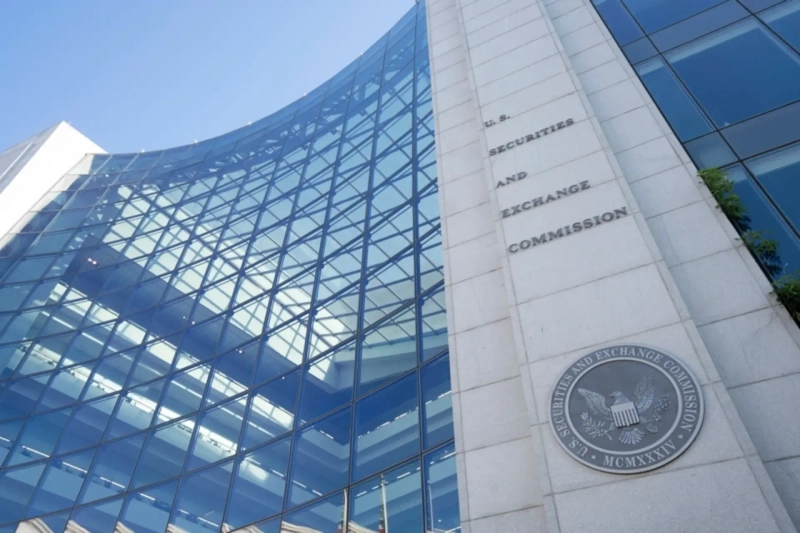
The U.S. Securities and Exchange Commission sued eight entities accused of stealing more than $37 million by posing as investment advisers and cryptocurrency exchanges. Investigators said the operators built credibility with regulatory filings and forged certificates before persuading investors to wire money.
The SEC said on Nov. 19 that it filed the lawsuit in federal court in Colorado against eight Colorado-based entities. The actual operators are believed to be overseas. The defendants include HB Wealth Advisors, Convergent Wealth Advisors and IdeaCrypto Exchange.
According to the complaint, the fraud ring recruited investors through social media ads and then moved them into group chats and one-on-one conversations it controlled. Posing as representatives of investment advisory firms, the operators initially offered advice on trading U.S. stocks before shifting investors' attention to crypto investments.
They then urged victims to send as much money as possible to fake exchanges. Investors believed they were buying actual cryptocurrencies on those platforms, but the SEC said both the advisory firms and the exchanges were sham businesses created to misappropriate investor funds.
The operators also used regulatory documents to project legitimacy. They forged SEC certificates or submitted documents to the SEC, the Financial Industry Regulatory Authority and the Treasury Department's Financial Crimes Enforcement Network, then showed those materials to investors who had doubts.
The scheme ran from August 2024 through May 2026. The group used four pairings, each made up of one advisory firm and one exchange. After operating one combination for several months, it discarded that setup and moved on to the next.
The SEC charged the entities with violating anti-fraud provisions of the federal securities laws. Some of the advisory firms were also charged with violating the Investment Advisers Act. The agency asked the court for injunctions, disgorgement of ill-gotten gains, interest and civil penalties.
Laura D’Allaird, head of the SEC’s Cyber and Emerging Technologies Unit in the Division of Enforcement, said the agency continues to track down and expose investment scams targeting U.S. investors. She urged the public to keep reporting such schemes through the SEC’s online tip portal.

Doohyun Hwang
cow5361@bloomingbit.ioKEEP CALM AND HODL🍀