Nvidia Loses $2.6 Trillion After 46% Rout as Investors Split on Bottom Call
Summary
- Nvidia shares fell for seven straight weeks, plunging 46%, while $2.6 trillion in market value was erased, sharply reducing the company's valuation.
- Nvidia, now trading at a P/E ratio of 8.4 times versus AMD's forward P/E of 29 times, faces pressure from valuation appeal as well as accounting issues and the resignation of former CEO Huang.
- Some investors see the drop as a chance to buy in stages, while others say it is better to wait because of the risk of further declines, the durability of AI spending, and a leadership vacuum.
Forecast Trend Report by Period


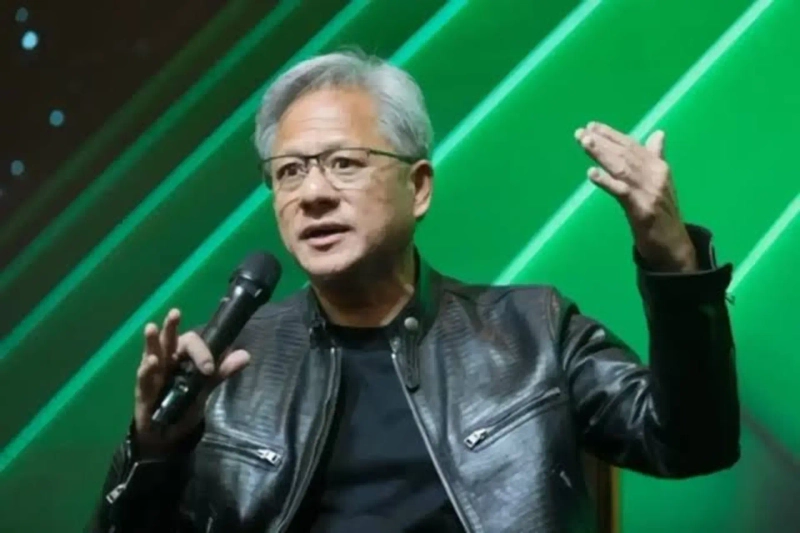
Nvidia Corp. shares have fallen for seven straight weeks, their longest losing streak since the 2008 global financial crisis. Over that period, the stock has plunged 46%, wiping out about $2.6 trillion in market value. Jensen Huang's departure as chief executive, accounting concerns and doubts about the durability of AI spending have split investors between those calling a bottom and those bracing for further declines.
Nvidia shares tumbled 14% on Nov. 20, extending their losing streak to seven trading days. On a weekly basis, the stock also fell for a seventh straight week, marking its longest run of weekly declines since 2008. It is the first time since the global financial crisis that Nvidia has suffered such a prolonged slide.
The drop has sharply reduced the company's value. Nvidia's market capitalization has fallen to about $3 trillion, pushing it to fourth place globally behind Apple, Microsoft and Alphabet. The decline has fed the view that the company's stature has been shaken after it once ranked as the world's most valuable company. Its valuation has also fallen sharply. Nvidia's forward price-to-earnings ratio has dropped to about 8.4 times, compared with 29 times for rival Advanced Micro Devices Inc.
Accounting concerns have added to the pressure. Some foreign media outlets reported that the U.S. Securities and Exchange Commission is reviewing potential accounting issues at Nvidia. The stock extended its losses after the report.
One direct trigger for the selloff was the abrupt resignation of former CEO Huang. He stepped down on Nov. 12 after allegations surfaced of extramarital relationships with several women, including a Chinese businesswoman suspected of ties to China's intelligence services. Harvey Jones, Nvidia's new chairman, said earlier this week that Huang resigned because personal conduct had come to light that did not align with the company's code of conduct, standards and cultural norms.
Still, Nvidia's decline began before Huang stepped down. Investors had already been questioning whether AI infrastructure spending could continue after the U.S. midterm elections. Concerns also grew that Nvidia's dominant position could weaken as Google and AMD accelerated development of their own AI chips and expanded their presence in the market.
Even results that topped expectations failed to revive sentiment. In its latest earnings report, Nvidia raised its outlook for fiscal 2028. Interim CEO and Chief Financial Officer Colette Kress said revenue would rise 75% in the next fiscal year and emphasized that key customers would not abandon Nvidia.
But market concerns remain broadly intact. Investors are questioning whether Nvidia can continue to deliver technological innovation and maintain its overwhelming competitiveness in the AI semiconductor market without the symbolic leadership of Jensen Huang.
CNBC noted that the last time Nvidia endured a similarly prolonged decline was in 2008, when the broader market plunged during the worst financial crisis since the Great Depression. This time, the report said, the stock is being pressured by doubts over the sustainability of AI industry growth and the company's leadership.
One South Korean retail investor in overseas stocks said Nvidia's AI chip technology and market dominance have not disappeared overnight. If short-term negatives have pushed the shares below intrinsic value, the investor added, now may be a chance to build a position in stages.
Another investor, arguing for staying on the sidelines because of the risk of further declines, said Huang's departure was about more than a simple management change. With the accounting controversy still unresolved, the investor said, it would not be too late to wait for more clarity on the leadership vacuum and the durability of AI spending before buying the stock.
Kang Kyung-ju, Hankyung.com reporter memory@hankyung.com

Korea Economic Daily
hankyung@bloomingbit.ioThe Korea Economic Daily Global is a digital media where latest news on Korean companies, industries, and financial markets.