PiCK
Citi Sees Korea Market-Stabilization Fund Expanding to 20 Trillion-40 Trillion Won, With 1 Trillion-2 Trillion Won Deployable as Early as December
Summary
- Citibank Korea said the total capital commitment for the stock-market stabilization fund could increase to 20 trillion won to 40 trillion won.
- As early as December, 1 trillion won to 2 trillion won from existing commitments could be injected into the stock market first, creating a signaling effect that may help ease volatility.
- The timing and size of any actual fund injection will depend on stock-market conditions and discussions among contributing institutions.
Forecast Trend Report by Period


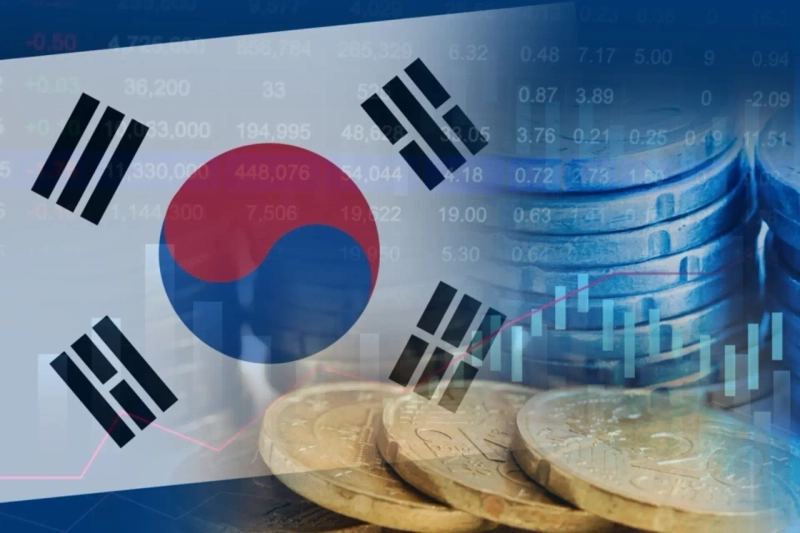
Citibank Korea said the Korea stock-market stabilization fund, currently set at 10.76 trillion won ($7.7 billion), could see its total committed size increase to 20 trillion won to 40 trillion won ($14.3 billion to $28.6 billion). Because financial firms need time to decide on additional contributions, 1 trillion won to 2 trillion won from existing commitments could be injected into the market as early as December, the bank said.
According to a Nov. 27 report by Citibank Korea economist Kim Jin-wook, the 20 trillion won to 40 trillion won range would amount to 0.47% to 0.95% of the combined 4,219 trillion won ($3.02 trillion) market capitalization of the Kospi and Kosdaq as of Nov. 25.
When the fund was created in March 2020 during the Covid-19 pandemic, its 10.76 trillion won ($7.7 billion) in commitments equaled 0.94% of the two markets' combined capitalization. Raising the fund to 40 trillion won would bring that ratio back to a similar level.
Citi said financial authorities could unveil an expansion plan as early as early December. Additional commitments are likely to take one to two months because private financial firms must complete risk-management committee reviews and board approvals.
"If the stock-market stabilization fund is reactivated, its signaling effect could help ease stock-market volatility to some extent," Kim wrote. "The larger the commitment and the faster the deployment, the stronger that signaling effect could be."
South Korean financial authorities began preparing to reactivate the fund on Nov. 22 after weakness in U.S. artificial intelligence and semiconductor shares increased volatility in local equities. Financial firms contributing to the fund are scheduled to review at an investment management committee meeting on Nov. 29 whether the existing committed amount can be paid in.
The Financial Services Commission is set to discuss activation plans at an emergency review meeting on Nov. 30 with the country's five major financial holding companies and Korea Development Bank. The timing and size of any actual market injection will depend on stock-market conditions and discussions among participating institutions.

Doohyun Hwang
cow5361@bloomingbit.ioKEEP CALM AND HODL🍀