

People's Bank of China: "Virtual Assets May Pose Economic Risks... Need for International Regulatory Cooperation"
Summary
- The People's Bank of China has stated that virtual assets could pose economic risks, necessitating international regulatory arrangements.
- The financial stability report pointed out that as virtual asset payments and investments increase, economic risks may arise.
- Hong Kong is showing a stance of accommodating the industry by introducing licenses for virtual asset trading platforms.
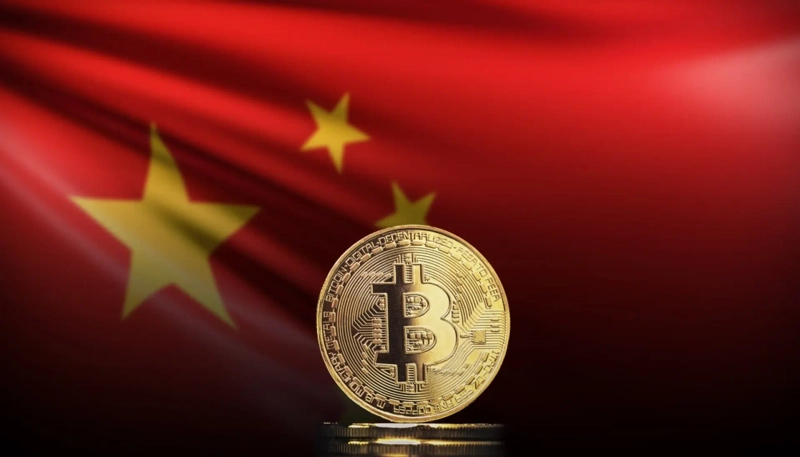
The People's Bank of China (PBOC) has stated that virtual assets (cryptocurrencies) could act as risk factors for the economy, necessitating the establishment of international regulations.
On the 30th, The Block, a media outlet specializing in virtual assets (cryptocurrencies), reported, "The financial stability report recently published by the People's Bank of China addresses virtual asset regulation as a major topic," adding, "The PBOC has announced efforts to improve the international regulatory framework for regulating virtual assets."
The PBOC pointed out in the financial stability report, "Although activities related to virtual assets in China have limited connections with financial institutions, financial markets, and market infrastructure, the increase in virtual asset payments and investments could pose risks to the economy."
Previously, China banned all virtual asset transactions and mining in September 2021. In contrast, Hong Kong is showing efforts to accommodate the industry by introducing licenses for virtual asset trading platforms.

Minseung Kang
minriver@bloomingbit.ioBlockchain journalist | Writer of Trade Now & Altcoin Now, must-read content for investors.