

The Ineffectiveness of the Korea-US FTA... "At Least Lower Tariffs Than Japan"
Summary
- It is reported that the Korea-US FTA has become ineffective due to the 25% reciprocal tariff rate imposed by the US on Korea.
- As a Korea-US FTA signatory, Korea is urged to expedite negotiations to reduce the tariff rate.
- Experts suggest utilizing item-specific exception clauses and corporate investment plans as negotiation tools to reduce tariffs.
One Week Until US Reciprocal Tariffs Begin... Urgent Negotiation Strategy Needed
Top Priority is to Resolve Trade Deficit with the US
Swift Negotiations are the Top Priority
Korean Companies Should Participate in US Supply Chain Reconstruction
Emphasize Alliance and Shared Values with Allies
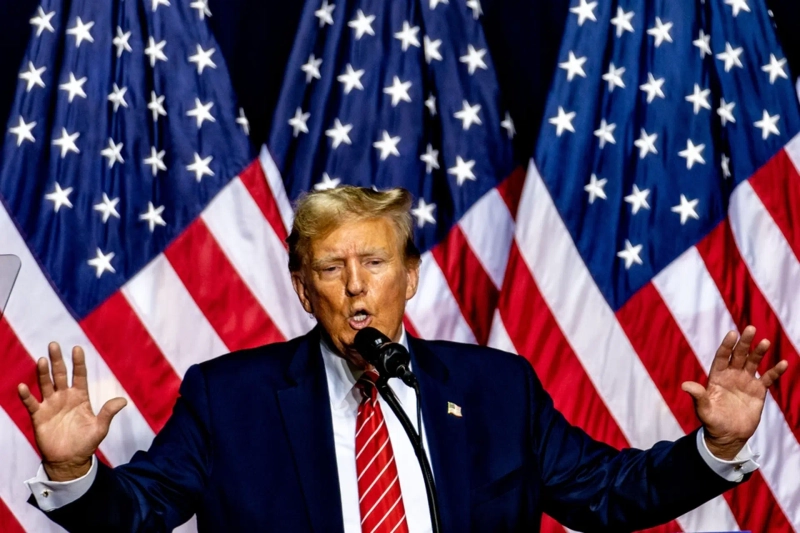
US President Donald Trump proposed a 25% reciprocal tariff rate for Korea on the 2nd (local time), raising concerns that the Korea-US Free Trade Agreement (FTA) has become ineffective. Although there is still time for negotiations until the final imposition on the 9th, it is impossible for the US to suddenly lower Korea's tariffs to 'zero (0)%'. Experts emphasize that the government should quickly engage in negotiations with the US to reduce the tariff rate even slightly. With Korea's high trade dependency, it faces the task of preparing for a new international trade order after the Korea-US FTA.
The Shell of the Korea-US FTA
On the 3rd, a senior official from the trade authorities evaluated the 25% reciprocal tariff rate imposed on Korea, stating, "The US has consistently emphasized resolving the trade deficit, and among various scenarios, it imposed the most aggressive tariffs based simply on the trade deficit."
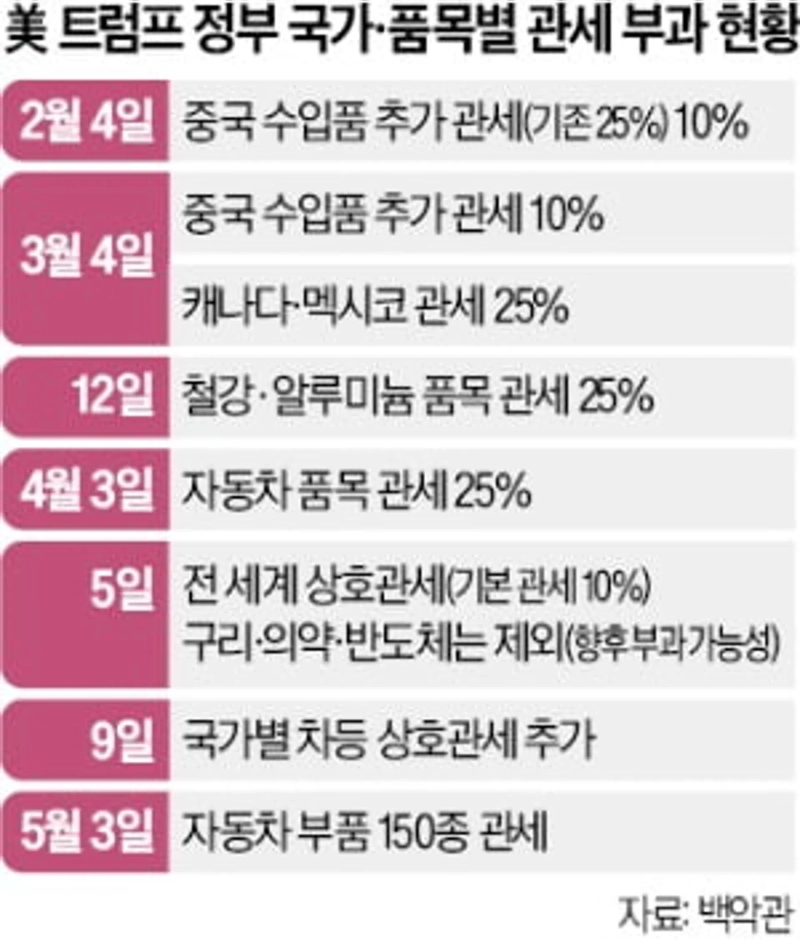
With the imposition of high reciprocal tariffs on Korea, the Korea-US FTA, which was based on tariff elimination agreements, is now considered to be just a shell. Particularly, the US applied the highest tariff rate among FTA countries only to Korea. Eleven countries, including Australia, Chile, Colombia, and Singapore, received the basic tariff rate of 10%. Israel (17%), Nicaragua (18%), and Jordan (20%) had higher rates than the basic tariff but lower than Korea.
However, a government official stated, "The Korea-US FTA includes comprehensive agreements such as intellectual property protection, service market opening, and the Investor-State Dispute Settlement (ISDS) system, so it cannot be said that the FTA framework is completely broken."
Achieve More Favorable Results Than Competitors
This reciprocal tariff is considered more detrimental to Korea, where trade accounts for an absolute majority of the economy. It is also painful that Korea received a higher reciprocal tariff rate compared to major competitors like the European Union (EU) and Japan. The US imposed a 20% tariff on the EU and a 24% tariff on Japan. However, since Japan, which has not signed an FTA with the US, is subject to the average Most Favored Nation (MFN) tariff rate of 3.5% plus 24%, it is not more disadvantageous in the final tariff rate, according to the government.
The trade authorities face the task of negotiating with the US by the 9th, when country-specific differential tariffs are imposed, to achieve a lower tariff rate than competitors. Former Trade Negotiator Yoo Myung-hee said, "As the US has started 'open bidding' against the world, presenting ways to reduce the US trade deficit is the starting point," and emphasized, "We should also highlight that as an FTA country, we impose lower tariffs on US imports than other countries." She advised, "Since tariffs tend to last long once imposed, swift negotiations are the top priority."

Former Trade Negotiator Park Tae-ho suggested, "It's not important whether the tariff rate is 1 or 2% higher or lower than Japan, but rather lowering the overall tariff rate is the priority," and proposed, "Actively utilize item-specific exception clauses and include corporate investment plans, like Hyundai Motor Group's investment in the US, in the negotiation package."
Former Trade Negotiator Kim Jong-hoon argued, "The US reciprocal tariffs are tantamount to nullifying the FTA," and insisted, "We should take a strong stance, such as preemptively declaring a suspension of application until the FTA is normalized."
On the other hand, Jang Sang-sik, head of the International Trade and Commerce Research Institute at the Korea International Trade Association, said, "Domestically, the argument that the FTA is useless will intensify, but it is not invalid," and added, "The Korea-US FTA was concluded from a strategic alliance perspective that encompasses both security and economy, so its framework still holds value."
Kim Dae-hoon/Kim Ri-an/Ha Ji-eun reporters daepun@hankyung.com

Korea Economic Daily
hankyung@bloomingbit.ioThe Korea Economic Daily Global is a digital media where latest news on Korean companies, industries, and financial markets.