

Summary
- It was reported that concerns are growing that Chinese manufacturing has entered a contraction phase due to the impact of the tariff war.
- It was analyzed that the aftermath of the tariff war is affecting the real economy as China's April PMI fell below the baseline.
- It was stated that future announcements of China's economic indicators and the results of domestic stimulus measures are expected to have a significant impact on the Chinese stock market and investors.
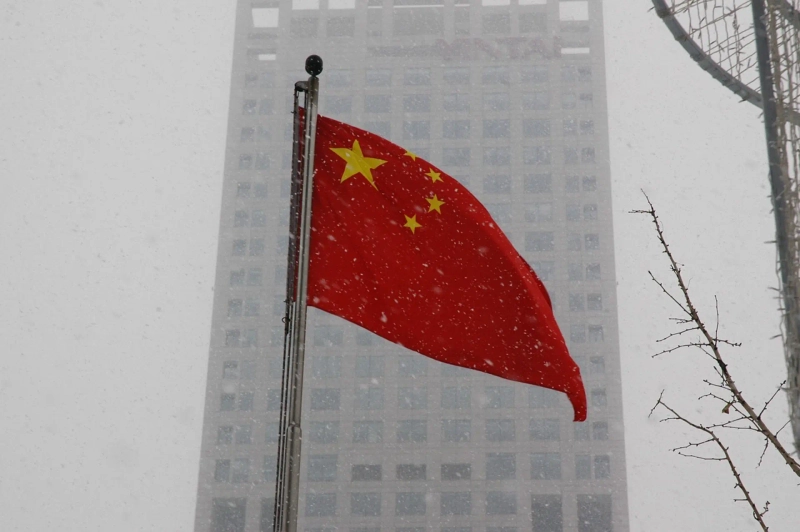
The Chinese stock market, which had relatively held up well amid the tariff war with the United States, is shrinking again. This is due to concerns that the impact of the tariff war is becoming visible, with Chinese manufacturing entering a contraction phase for the first time in two months.
Ahead of the Chinese Labor Day holiday (May 1-5), the mainland stock market closed weak on the 30th of last month. The Shanghai Composite Index ended the day at 3,279.03, down 0.23% from the previous trading day. Although there are observations that a subtle change in the air is being detected in the uncompromising US-China tariff war, investors are reacting more to the ripple effects spreading to the real economy for now.
Due to the US tariff bombardment, China's manufacturing economy has fallen to its lowest level in 16 months. In April, China's Manufacturing Purchasing Managers' Index (PMI) fell below the baseline (50) to 49 due to a sharp decline in export orders.
The Chinese stock market, reopening on the 6th, is likely to fluctuate with China's economic trend indicators. On the 9th, the scale of new loans and the increase in loan balances for April will be announced.
On the 10th, the April trade balance will be released, drawing investors' attention. The export and import report card of China amid the tariff war is expected to be starkly revealed. In March, ahead of the realization of the US tariff bomb by the Trump administration, China's exports surged (up 12.4% year-on-year), far exceeding market expectations. However, many analyses suggested that this was due to shipments being pushed out to avoid tariff impacts.
Along with this, the April Consumer Price Index (CPI) will also be announced on the same day, allowing an assessment of the Chinese government's domestic stimulus measures. China's March CPI fell by 0.1% compared to the same month last year, showing a decline for two consecutive months despite various domestic stimulus policies. China is focusing all its efforts on domestic demand to promote consumption and investment to mitigate the economic shock expected in the second quarter due to the direct impact of the tariff war.
Beijing Correspondent Kim Eun-jung kej@hankyung.com

Son Min
sonmin@bloomingbit.ioHello I’m Son Min, a journalist at BloomingBit