

Bank of Japan Maintains Stance on Rate Hike Due to Wage and Price Pressures
Summary
- The Bank of Japan stated that it will maintain rate hikes due to pressures from rising wages and prices.
- Plans to resume rate hikes once U.S. tariff issues stabilize.
- This decision is based on the judgment that concerns about hindering the inflation target achievement are low.
"Price Concerns Take Precedence Despite Growth Hindrance from Tariffs"
"Rate Hike to Resume Once U.S. Tariff Issues Stabilize"
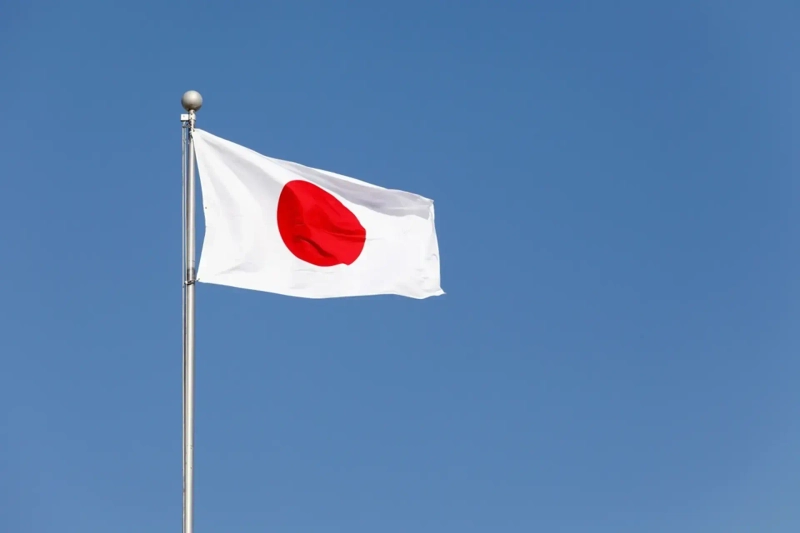
The Bank of Japan (BOJ) announced on the 13th (local time) that it will maintain its stance on raising interest rates as Japan's wages and prices are expected to continue rising. On this day, the Japanese yen rose 0.4% against the dollar, recording 147.93 yen.
According to Reuters, BOJ Deputy Governor Shinichi Uchida stated in parliament that "U.S. tariffs are likely to hinder Japan's economic growth, but we will raise interest rates considering the economy and prices."
He predicted that "Japan's core inflation rate and medium- to long-term inflation rate may temporarily stagnate, but during that period, the labor market will remain tight, and wages will continue to rise." He also forecasted that "companies will pass on the increased labor and transportation costs through price hikes."
Uchida added that the BOJ will closely examine the economic impact of U.S. trade policies 'without prejudice' due to the high level of uncertainty.
These remarks show that the BOJ is struggling between the slowdown in growth due to Trump's tariff policies, a tight labor market, and domestic inflation pressures from rising raw material prices.
At the meeting held from April 30 to May 1, the BOJ maintained the interest rate at 0.5% and significantly lowered growth forecasts. This was interpreted as indicating that a quick rate hike is difficult due to uncertainties surrounding U.S. tariffs and export impacts. However, according to the policy meeting remarks at the time, the BOJ suggested that it would resume rate hikes once U.S. tariff issues stabilize.
According to the BOJ's minutes, overall, U.S. tariffs are expected to impact the Japanese economy, but they believe this damage is unlikely to hinder the BOJ's 2% inflation target.
One BOJ member mentioned, "Even if the BOJ temporarily halts rate hikes due to a slowdown in U.S. economic growth, we should not be too pessimistic and should manage monetary policy flexibly and nimbly in response to changes in U.S. policy." Another opinion stated that the BOJ's policy direction "can change at any time" as Japan's economic and price outlook can rapidly shift depending on U.S. tariff trends.
A third opinion stated, "According to our forecasts, inflation is achieving the 2% target, and with real interest rates being negative, there is no change in the BOJ's stance on rate hikes."
The BOJ's rate review opinions were made during a period of heightened global recession concerns due to Trump's tariff imposition at the end of last month and early this month, a weak dollar, and a strong yen as a safe asset. However, the previous day, as the U.S. and China agreed to lower tariffs by 115 percentage points each for at least 90 days, stocks and the dollar rose, while safe assets like gold and the yen weakened.
Guest reporter Kim Jung-ah kja@hankyung.com

Son Min
sonmin@bloomingbit.ioHello I’m Son Min, a journalist at BloomingBit