

UK, April CPI Annual Rate 3.5%…Exceeds Expectations
Summary
- The UK's April consumer price inflation rate exceeded expectations at 3.5%, indicating increasing inflationary pressure.
- The Bank of England recently lowered the base rate reflecting the trend of slowing inflation, but stated that inflation could temporarily rise to 3.7% in the third quarter.
- Rising electricity, gas, and other fuel prices are pressuring households, and the central bank emphasized a cautious rate cut plan to achieve its inflation target.
Impact of Energy Price Cap and Tax Increases, and Increased Leisure Activities
BOE Lowers Rates in Early May Following Inflation Slowdown in February and March
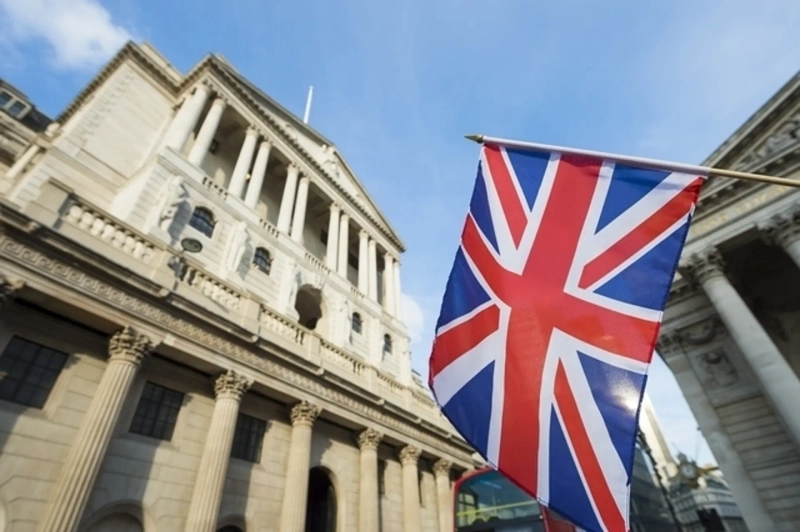
The UK's April inflation rate, which had shown a trend of slowing this year, rose significantly to 3.5%, exceeding expectations.
On the 21st (local time), the UK's Office for National Statistics (ONS) announced that the UK's April Consumer Price Index (CPI) recorded an annual rate of 3.5%. Economists had expected 3.3%.
The core inflation rate, excluding volatile food, energy, tobacco, and alcohol prices, rose 3.8% over the year to March. In March, this figure was 3.4%, indicating a significant rise in core CPI as well.
The UK recorded inflation rates of 2.8% in February and 2.6% in March.
The sectors that had the greatest impact on the monthly inflation rate change were housing and household services, transportation, and recreation and culture. In contrast, prices fell in sectors such as clothing and footwear. Particularly, electricity, gas, and other fuel prices rose 6.7% over the year to April, increasing household costs.
According to the ONS, water and sewerage prices rose 26.1% over the month to April, marking the largest monthly increase since February 1988.
Economists anticipated inflation due to one-time adjustments such as the increase in the energy price cap (the maximum price energy suppliers can charge customers), corporate tax hikes introduced in April, increased leisure spending due to the Easter holidays and good weather.
The Bank of England (BOE), the UK's central bank, reflecting the recent trend of slowing inflation, lowered the base rate to 4.25% at its early May meeting.
The BOE had stated that inflation could temporarily rise to 3.7% in the third quarter due to rising energy prices and some regulated price increases such as water rates. The BOE emphasized that further rate cuts would be gradual and cautious to reduce inflation to its target of 2% while considering inflationary pressures.
According to the UK's quarterly Gross Domestic Product (GDP) data released last week, the UK's GDP increased by 0.7% in the first quarter. The first-quarter performance was mainly attributed to early shipments and activities by UK companies ahead of the US tariffs scheduled for April and tax increases.
Guest Reporter Kim Jung-ah kja@hankyung.com

Korea Economic Daily
hankyung@bloomingbit.ioThe Korea Economic Daily Global is a digital media where latest news on Korean companies, industries, and financial markets.