

"Supply Chain Instability Caused"... South Korea, Japan, and Taiwan Request US to Refrain from Semiconductor Tariffs
Summary
- Major semiconductor-producing countries and companies warned that the introduction of US semiconductor tariffs could lead to cost increases and supply chain instability.
- South Korea, Japan, and Taiwan emphasized that their complementary relationship with the US could be undermined by the tariffs.
- US companies suggested measures such as Tariff Rate Quota to mitigate the negative impact on the US semiconductor industry.
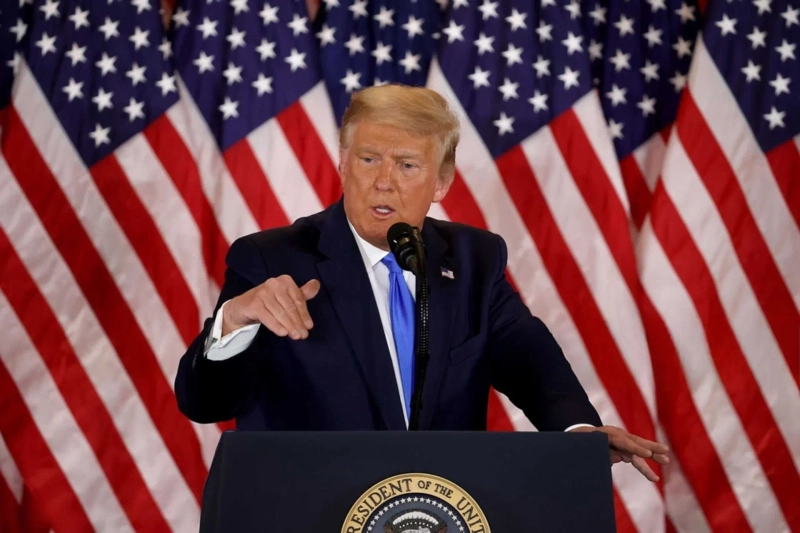
Major semiconductor-producing countries and companies around the world have urged the US government to refrain from implementing semiconductor tariffs, arguing that it could increase industry-wide costs and cause supply chain instability.
According to the US Federal Register on the 21st (local time), the US Department of Commerce received 206 submissions of opinions by the 7th regarding the ongoing investigation under 'Section 232 of the Trade Expansion Act' targeting imported semiconductors, semiconductor manufacturing equipment, and derivative products using semiconductors.
The South Korean government emphasized that South Korea exports mainly memory semiconductors to the US while importing logic chips and semiconductor manufacturing equipment from the US, highlighting a complementary relationship. The tariffs could undermine this relationship and ultimately weaken the US semiconductor industry. The Korea Semiconductor Industry Association also submitted an opinion with similar logic to the government.
The Japanese government argued that no single country can internalize the entire semiconductor value chain and that tariffs would burden US semiconductor users and design companies. Japan also urged reconsideration of tariffs on manufacturing equipment, materials, and derivative products, stating its cooperation with US efforts to strengthen the semiconductor supply chain.
The Taiwanese government emphasized that Taiwan is an "essential partner in making America great again" and urged the exclusion of Taiwanese semiconductors from tariffs. The Chinese government criticized the US for continuously expanding the concept of 'national security' since 2017 to use it as a pretext for implementing protectionist measures. The European Union (EU) also expressed concern that the US is trying to protect certain industrial sectors from foreign competition under the guise of national security.
US companies also expressed negative opinions about the tariffs, with the Semiconductor Industry Association (SIA) warning that uniform tariffs could increase the cost of semiconductor production and technology development in the US, suggesting measures such as the introduction of a Tariff Rate Quota (TRQ) to mitigate risks if tariffs are imposed.
Reporter Minhyung Lee, Hankyung.com meaning@hankyung.com

Korea Economic Daily
hankyung@bloomingbit.ioThe Korea Economic Daily Global is a digital media where latest news on Korean companies, industries, and financial markets.