

PiCK
[Exclusive] KAIST Partners with 'World' by Sam Altman... First in Asia to Join AMPC Node
Summary
- KAIST announced a partnership with Sam Altman's blockchain-based project 'World' to participate in the operation of the first AMPC node in Asia.
- KAIST plans for students to directly participate in the AMPC node operation with the goal of real-time monitoring and technical performance improvement.
- Professor Shin pursued collaboration with World for privacy protection and technological innovation, and mentioned the potential for future research collaboration expansion.
KAIST Forms Strategic Partnership with World
First in Asia to Participate in AMPC Node Operation
"Expecting Technological and Educational Benefits from Student Participation"
"Extremely Low Risk of World Biometric Data Leakage"
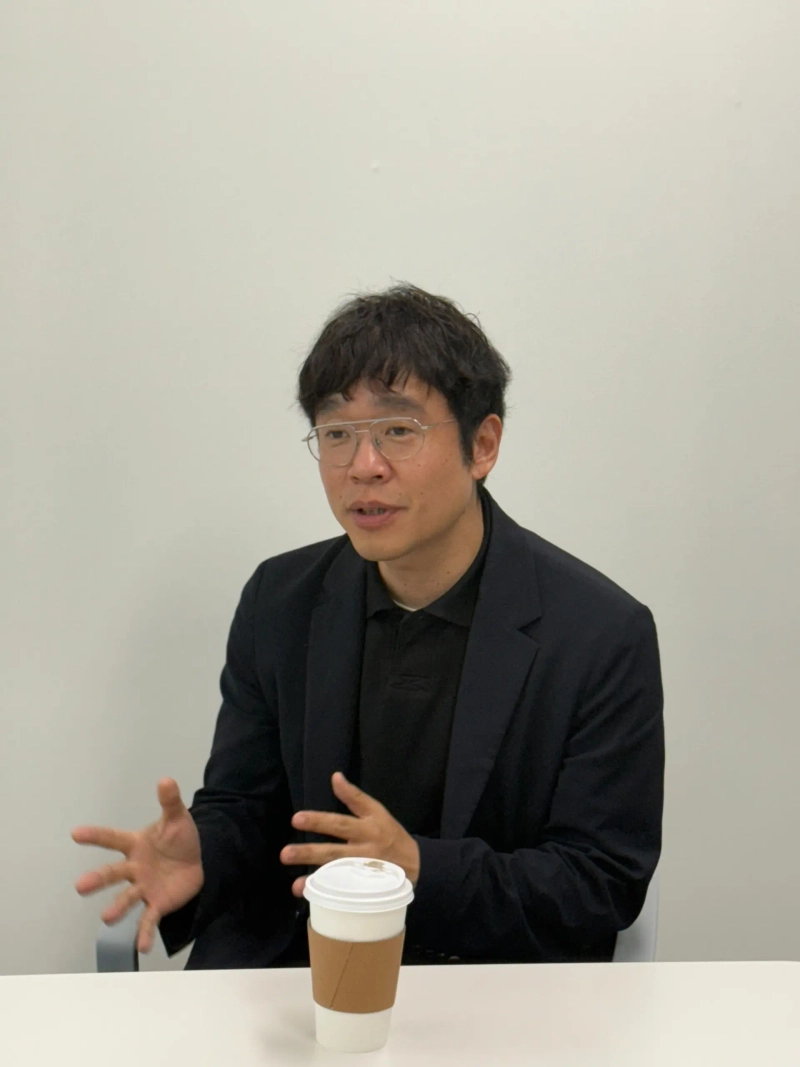
The Korea Advanced Institute of Science and Technology (KAIST) has formed a strategic partnership with 'World (WLD)', a blockchain-based identity verification project founded by ChatGPT creator Sam Altman. Through this collaboration, KAIST will participate in the operation of an 'Anonymous Multi Party Computation (AMPC)' node, the first in Asia, starting next month.
AMPC is an open-source security protocol developed by Tools for Humanity (TFH), the developer of World. It encrypts biometric data collected through World's iris recognition device 'Orb' individually and distributes it across multiple independent nodes for computation, enabling identity verification without exposing sensitive information.
Through this agreement, KAIST joins as a global node partner in the World ecosystem alongside UC Berkeley in the United States, Friedrich-Alexander-Universität Erlangen-Nürnberg (FAU) in Germany, and Ethereum developer Nethermind. KAIST will be responsible for implementing the actual operating environment and improving the performance of AMPC technology.
Professor Jinwoo Shin of KAIST, who will lead the operation of the AMPC node, explained the background of this collaboration in an interview with Bloomingbit on the 28th, stating, "The philosophy of World, which emphasizes that humans should be at the center in the AI era, aligns with KAIST's research direction."
Professor Shin stated, "AMPC is a technology that allows users to prove they are human, not AI, while protecting their privacy," and added, "We pursued collaboration with World due to the technological innovation and ethical legitimacy of this technology."
He further evaluated, "KAIST is an institution equipped with research governance that encompasses not only technical capabilities but also policy and ethics," and assessed, "Being the first in Asia to operate an AMPC node is a choice based on social trust, beyond mere technical prowess."
KAIST students are expected to directly participate in the actual node operation. Three to four students will manage the node on a rotational basis 24/7, monitoring the system in real-time and addressing technical shortcomings. Professor Shin mentioned, "The educational value is significant as students can directly experience field technology, which can lead to future entry into related industries."
Regarding the legal risks associated with World's biometric data usage structure, it is known that there were internal concerns within KAIST. Professor Shin explained, "We reviewed (World's) system structure through sufficient consultation," and judged, "The possibility of personal information leakage due to operational errors is extremely low, as personal data is encrypted and stored in a distributed manner."
He also mentioned the potential for expanded technological research collaboration with World in the future. Professor Shin stated, "The current scope of collaboration is limited to node operation," but added, "As KAIST maintains an open attitude towards the integration of virtual assets (cryptocurrency) and AI, there is ample potential for research expansion."
He concluded, "We aim to create an AI era where humans are at the center, not just by developing technically superior AI, but by protecting human rights and operating on social trust to contribute to the public good," and added, "We want to create this era together with World."

Doohyun Hwang
cow5361@bloomingbit.ioKEEP CALM AND HODL🍀