

US-UK Trade Agreement Takes Effect... 10% Tariff on First 100,000 UK Cars
Summary
- The entry into force of the US-UK trade agreement means that tariffs on British cars are set at 10% for the first 100,000 units and 25% for any additional vehicles.
- Tariffs on the aerospace sector have been eliminated, while steel remains subject to a 25% tariff, with further negotiations underway.
- The British government stated it will make progress in negotiations with the US aiming for 0% tariffs on core steel products.
Aerospace Sector Tariffs Also Removed
Steel Products Face 25% Tariff… UK Says 'Continued Negotiations for 0%'
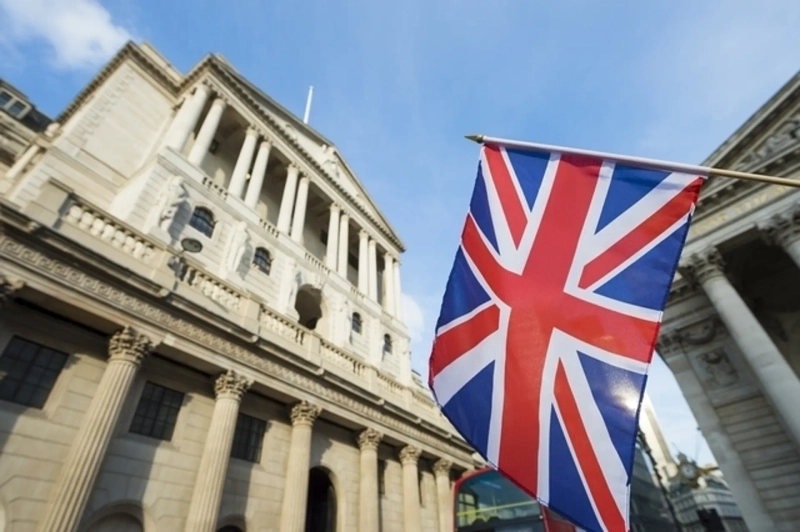
The trade agreement between the United States and United Kingdom took effect on the 30th (local time). Under this measure, British cars imported into the US face a 10% tariff for up to 100,000 units and an import tariff of 25% on vehicles exceeding that quota. Additionally, aerospace sector tariffs on UK goods are set to be eliminated. However, some unresolved issues remain with tariffs on UK steel exports.
According to CNBC and other sources, with the enforcement of the trade pact—the UK's first trade agreement with the US—the UK’s exports to the US are now subject to a uniform 10% tariff. For vehicles, the first 100,000 cars exported annually from the UK to the US are taxed at 10%, and quantities above that are subject to a 25% tariff.
According to the Society of Motor Manufacturers and Traders (SMMT), an automotive industry association, about 102,000 cars manufactured in the UK were exported to the US last year.
The US currently enjoys a trade surplus with the UK. Cars represent the largest category in the UK’s exports to the US, and the United States is the largest purchaser of British cars globally. Last year, 27.4% of UK car exports went to the US.
However, the UK is still striving to reduce tariffs on steel. The UK is the only country eligible for a preferential 25% tariff on its steel and aluminum exported to the US. Excluding the UK, the US applies a 50% tariff on steel from other countries.
Nevertheless, the US and UK have been discussing lowering tariffs on British steel to 0%. The US is the fourth largest export market for UK steel. The British government stated, "We will continue to move toward a tariff of 0% on key steel products, as agreed, and make further progress."
According to John Carruthers-Green, a steel market analyst at MEPS International, the negotiations over steel tariffs have been hampered by the 'melt and pour' rule the US applies to steel imports. This guideline, enacted under a previous administration, classifies only products melted and poured in the UK as British-made.
Currently, a significant portion of the semi-finished products arriving at Tata Steel's factory in Wales are supplied with raw materials from other plants in India and the Netherlands. The analyst pointed out, "Tata will continue to import raw materials from elsewhere," adding, "[The only way the UK can solve this issue may be to strike agreements with other countries or the entire industry]."
After the initial steel tariff announcement, US steel prices soared and have remained at high levels even after the increase slowed.
The analyst noted, "Asia and Europe are still facing problems of falling prices due to steel overproduction."
By Kim Jeong-Ah, Contributor kja@hankyung.com

Korea Economic Daily
hankyung@bloomingbit.ioThe Korea Economic Daily Global is a digital media where latest news on Korean companies, industries, and financial markets.