

"Korea Should Lower Digital Trade Barriers"… The Online Platform Act Under Discussion in Tariff Negotiations
Summary
- It was reported that Korea's digital trade barriers, including the "Online Platform Act," have become a major issue in the Korea-US tariff negotiations.
- US House representatives pointed out that the bill targets American digital companies and intensifies regulatory requirements.
- The US side emphasized that this regulation weakens innovative business models and disadvantages American companies.
US House Sends Letter Urging Negotiation Team to Act
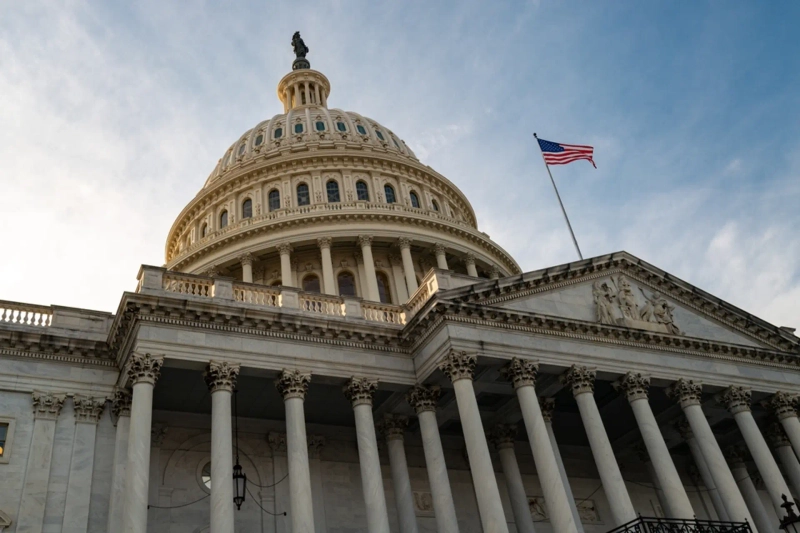
Forty-three Republican members of the US House of Representatives have sent a letter to the US government urging resolution of Korea's digital trade barriers.
Adrian Smith, chairman of the Trade Subcommittee of the House Ways and Means Committee, Carol Miller, and others sent a letter on the 1st to Treasury Secretary Scott Besant, Commerce Secretary Howard Lutnick, and US Trade Representative (USTR) Jamieson Greer, requesting that tariff negotiations be used to resolve trade barriers that the Korean government is unfairly imposing on American IT companies.
They stated, "Korea has long used competition laws (related to fair trade) to achieve protectionist goals and promote discriminatory policy outcomes," raising concerns about the Korean government’s drive to introduce the Online Platform Act. This law regulates companies to prevent domestic firms like Naver and Kakao, as well as foreign big tech companies such as YouTube, Netflix, Meta, and Amazon, from abusing their platform dominance, including banning dominant players from selling products via other platforms (multi-homing ban), and prohibiting forcing contracts under the most favorable terms for their own platforms in any situation (MFN clause enforcement).
The US lawmakers argued that the bill "targets American digital firms and intensifies regulatory requirements." They added that it "imposes foreign legal and enforcement standards designed to weaken innovative business models and disadvantage successful American companies." It was also argued that American firms receive heavier regulation compared to Chinese companies. The letter stated, "Major Chinese digital conglomerates like ByteDance (TikTok), Alibaba, and Temu are left out, while US firms are excessively targeted, thereby strengthening the interests of the Chinese Communist Party."
Regulations on digital trade are a key issue in Korea-US tariff negotiations. Cases cited as "non-tariff barriers" include Google being unable to use Korean map information, and Korean telecoms demanding that Netflix and YouTube pay network usage fees.
Washington = Lee Sang-eun, Correspondent selee@hankyung.com

Korea Economic Daily
hankyung@bloomingbit.ioThe Korea Economic Daily Global is a digital media where latest news on Korean companies, industries, and financial markets.