

US notifies new tariffs to 69 countries... Canada's rate increased to 35% for being 'uncooperative with the United States'
Summary
- The US government announced new tariff rates for 69 countries, stating that some will be subject to increased tariffs compared to previous levels.
- In particular, the tariff rate for Canada was raised from 25% to 35% due to issues related to fentanyl, and this will take effect starting August 7.
- There is a possibility that the trade environment may fluctuate as a result of this measure, and it was stated that tariffs could be adjusted again depending on additional negotiations in the future.
US announces new tariff rates for 69 countries
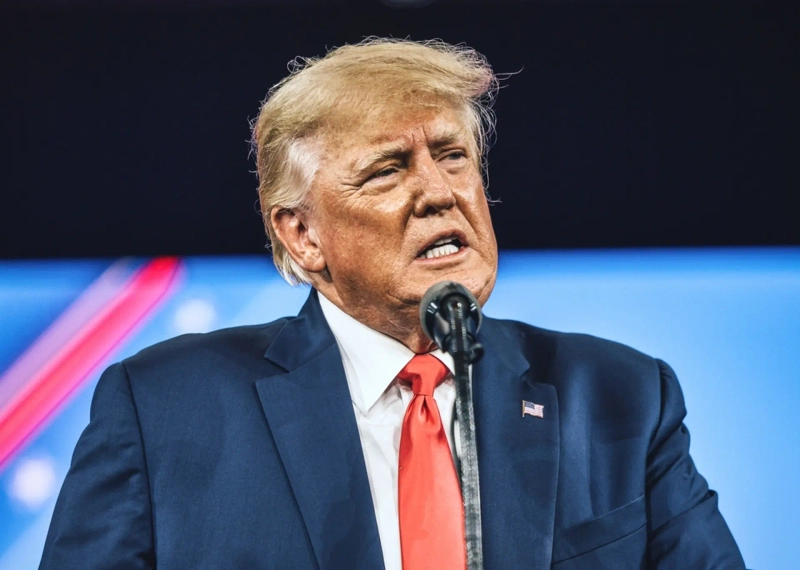
The Donald Trump administration, on the day before the scheduled announcement of reciprocal tariffs on August 1st, released the final list of reciprocal tariff rates for 69 trade partners.
According to the annex of the executive order issued by the White House, three countries—including the United Kingdom, Brazil, and the Falkland Islands—will have a reciprocal tariff rate of 10% applied.
A reciprocal tariff rate of 15% will be imposed on a total of 40 countries, including several nations such as South Korea, Japan, Norway, Iceland, and Israel. Thailand and Cambodia, which recently reached a ceasefire agreement under US tariff pressure, will have a 19% rate.
There were also mixed results among Asian nations; India, which failed to reach an agreement with the United States, was imposed with a higher rate of 25% compared to its regional neighbors.
As such, countries that failed to reach trade agreements are subject to higher tariffs. There are 26 countries with rates exceeding 15%.
Syria has the highest rate at 41%. Laos and Myanmar are at 40% each, Switzerland at 39%, and Serbia and Iraq at 35% each.
President Trump explained that although some trading partners participated in negotiations, they proposed insufficient conditions to resolve trade imbalances or failed to align with the United States on security and other key issues, which led to the breakdown of negotiations.
Canada’s rate raised from 25% to 35%
For Canadian goods subject to tariffs regarding fentanyl—which is commonly referred to as 'zombie drug'—the tariff rate was raised from 25% to 35%. It was stated that the increase was enforced due to Canada’s lack of cooperation in preventing the inflow of fentanyl into the United States.
The adjusted tariff rates specified in the executive order will take effect at 00:01, seven days after signing. The White House explained that this delay is to allow customs authorities at the border time to implement the new tariff system.
Accordingly, the new tariffs will be enforced starting August 7. However, since there is a possibility of additional negotiations after the rate hike on Canada, it is widely expected that the tariffs could be revised again after the ‘August 7’ implementation date.
Yoon Shin-ae PD dramaniac@hankyung.com

Korea Economic Daily
hankyung@bloomingbit.ioThe Korea Economic Daily Global is a digital media where latest news on Korean companies, industries, and financial markets.