

PiCK
[New York Stock Briefing] Stock market shaken by deteriorating employment figures... Fallout from Trump tariffs
Summary
- It was reported that all three major U.S. stock indices fell due to deteriorating employment indicators and the impact of the Trump administration's tariff policy.
- Large-cap technology stocks including Amazon and major banking stocks declined amid growing concerns over an economic slowdown and weak earnings.
- Weaker U.S. employment and a Fed official's resignation increased expectations of a rate cut, leading to a drop in Treasury yields and the dollar, while gold prices rose.
All three major indices drop
NASDAQ 2.2%↓
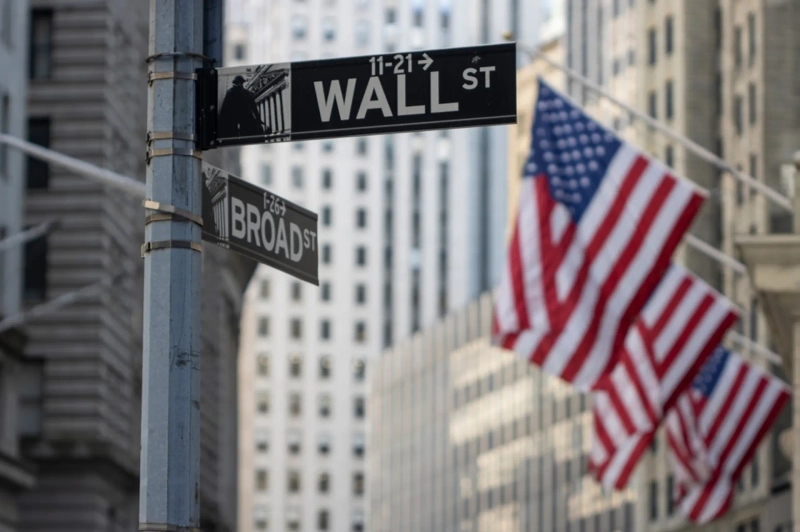
On the 1st (local time), all three major indices in the New York stock market declined. This followed a significant worsening of U.S. employment conditions due to the Trump administration's tariff policy.
On the New York Stock Exchange that day, the Dow Jones Industrial Average ended at 43,588.58, down 542.40 points (-1.23%) from the previous close. The S&P 500 Index fell 101.38 points (-1.60%) to 6,238.01, while the tech-heavy NASDAQ Composite dropped 472.32 points (-2.24%) to close at 20,650.13.
According to the employment report released by the U.S. Department of Labor on this day, nonfarm employment in July increased by 73,000 month-on-month, falling short of the expert forecast (100,000) compiled by Dow Jones. The May to June employment increase figures were revised downward by a total of 258,000 compared to previous announcements. The unemployment rate rose from 4.1% to 4.2%.
Unlike the previous employment reports which suggested the U.S. job market was stable, it has become evident over the past few months that employment growth has weakened noticeably, sparking concerns that an economic slowdown from the tariff shock may already be materializing.
Leading U.S. bank stocks such as JPMorgan Chase (-2.32%), Bank of America (-3.41%), and Wells Fargo (-3.53%) all fell due to worries over loan defaults amid the economic slowdown. Fears of a greater economic blow from tariffs spread after President Trump signed an executive order the previous day setting new reciprocal tariffs.
Major technology stocks also declined on concerns of weaker earnings. Amazon, the world’s largest e-commerce company, plunged 8.27% as worries mounted over a bleak earnings outlook following a contraction in the operating profit of its 'growth engine' cloud business. Other M7 stocks such as Apple (-2.50%), Google (-1.51%), NVIDIA (-2.33%), Tesla (-1.84%), Meta Platforms (-3.05%), and Microsoft (-1.74%) finished down by around 2%.
With the marked weakening of U.S. employment, U.S. Treasury yields and the value of the dollar plummeted, while gold prices rose. International oil prices declined on expectations of increased supplies from oil-producing countries. According to Tradeweb, at the time of the New York close, the yield on the two-year U.S. Treasury, which is sensitive to monetary policy, plunged 27bp (1bp=0.01%) to 3.68% compared to the previous session.
At the same time, the yield on the 10-year U.S. Treasury fell 15bp to 4.21%. News that Federal Reserve Board member Adriana Kugler, known as a hawk (monetary tightening advocate), will step down from her post on the 8th, six months ahead of the end of her term, added further downward pressure to bond yields. With worsening employment and the news of Kugler’s resignation combined, the market is taking a September Fed rate cut as a given.
The value of the U.S. dollar declined. The Dollar Index, which reflects the dollar’s value against six major currencies, stood at 98.6 at the close of the New York Stock Exchange, down 1.4% from the previous session. The Volatility Index (VIX) of the Chicago Board Options Exchange (CBOE), also known as the 'fear gauge,' rose 3.66 points to 20.38, marking the highest level since June.
International oil prices dropped on fears of recession due to weak employment and increased production prospects from the 'Organization of the Petroleum Exporting Countries Plus (OPEC+).' On the ICE Futures Exchange, the near-month futures price for Brent Crude closed at $67.33 per barrel, down $1.93 (-2.79%) from the previous session.
As demand for safe-haven assets increased, international gold prices rose. According to Reuters, the spot gold price traded at $3,348.71, up 1.78% from the previous session.
Reporter: Hyewon An, Hankyung.com anhw@hankyung.com

Korea Economic Daily
hankyung@bloomingbit.ioThe Korea Economic Daily Global is a digital media where latest news on Korean companies, industries, and financial markets.