

As the U.S. Tariff Deadline Approaches...Putin Considers Halting Long-Range Airstrikes
Summary
- Russia is reportedly reviewing a proposal for a 'temporary aerial ceasefire,' including suspending long-range airstrikes, to block the U.S. second round of sanctions.
- The U.S. warned that unless Russia agrees to a ceasefire with Ukraine, it will impose additional tariffs, including a 100% tariff on countries importing Russian oil.
- Reuters and other agencies note that the U.S. sanctions could actually cause oil prices to rise, and that blocking Russia's oil exports, such as via the shadow fleet, is a crucial factor for investors.
Deadline for U.S. Second Sanctions Negotiations Approaches
Russia Likely to Propose 'Aerial Ceasefire', Including Drone Attacks
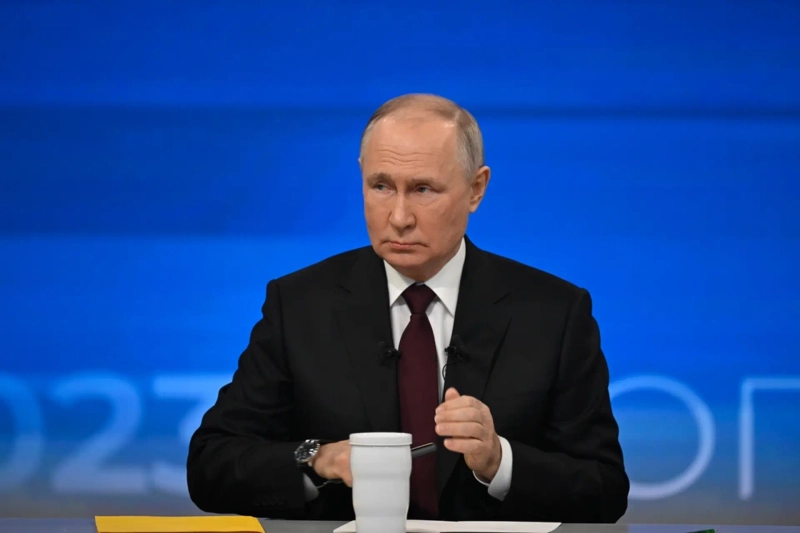
With the deadline for the second round of U.S. sanctions against Russia, as announced by President Donald Trump, fast approaching, the two countries have entered final negotiations over the war in Ukraine. Russia reportedly will not agree to end the war but is likely to propose suspending long-range airstrikes.
On the 6th, Bloomberg News cited sources indicating that the Kremlin is reviewing negotiating cards to block the second round of U.S. sanctions. One major proposal is a 'temporary aerial ceasefire' involving a partial halt to drone and missile strikes on Ukraine.
This aerial ceasefire proposal was discussed to coincide with the visit of U.S. Middle East envoy Steve Witkoff to Russia. Witkoff is scheduled to arrive in Moscow today to meet with Russian leaders. Previously, President Trump warned that unless Russia agrees to a ceasefire with Ukraine by the 8th, additional tariffs will be imposed, and countries importing Russian oil will be slapped with a 100% tariff.
There is a prevailing view that it is unlikely this negotiation will result in a ceasefire agreement. President Vladimir Putin of Russia does not intend to agree to a full ceasefire with Ukraine, judging that the 'ultimatum' from the U.S. will have little real effect. According to Reuters, citing sources, "It is unlikely that China and other nations will stop buying Russian oil at the direction of the U.S., and the measure could backfire by raising oil prices."
Meanwhile, the U.S. is also considering additional sanctions targeting Russia’s so-called 'shadow fleet,' which has been used for covert oil exports since the start of the war with Ukraine in order to evade Western sanctions. Previously, during the administration of former President Joe Biden, 213 tankers were sanctioned, but there have been no additional designations since President Trump returned to office. The Financial Times evaluated that "targeting the shadow fleet is a direct method of making things more difficult for Russia."
In a CNBC interview the previous day, President Trump said, "If oil prices fall further, President Putin will stop killing people."
By Myung-Hyun Han, wise@hankyung.com

Korea Economic Daily
hankyung@bloomingbit.ioThe Korea Economic Daily Global is a digital media where latest news on Korean companies, industries, and financial markets.