

"Interest payments on government bonds to reach ₩123 trillion next year"… Warning signs for Japan's fiscal health
Summary
- The Japanese government is expected to shoulder about ₩123 trillion in interest payments on government bonds next year.
- Driven by rising long-term yields and policy rate hikes, interest costs on government bonds are projected to rise by 24% from this year, reaching a record high.
- Market concerns are mounting over the potential vicious cycle of worsening fiscal burden and further deficit-financing bond issuance.
Ministry of Finance, interest payments on government bonds set at ¥13,043.5 billion next year
Expected to rise by 24% from this year, setting an all-time high
10-year government bond yield at highest level in 17 years
Fiscal spending pressure grows as policy rate is raised
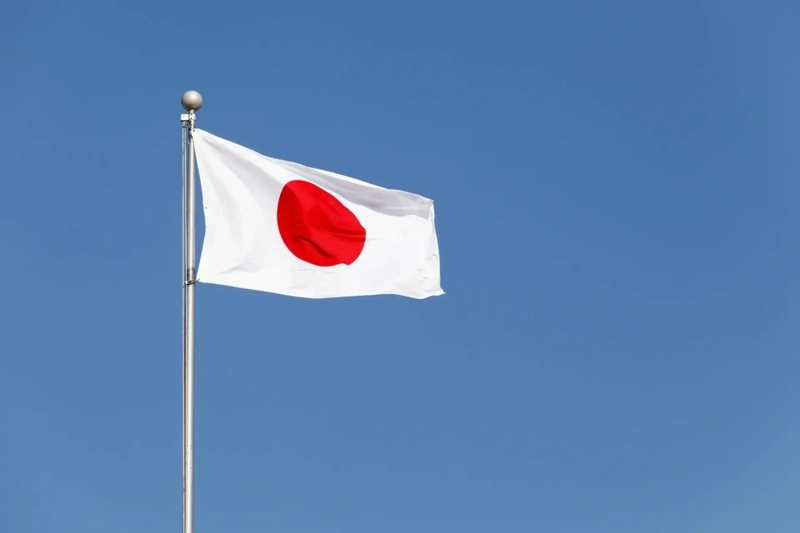
The Japanese government is expected to shoulder around ¥13 trillion solely for interest payments on government bonds next year. This represents a 24% increase from this year, marking an all-time high. The rise in government bond yields is attributed to the Bank of Japan's policy rate hikes.
According to Nikkei on the 26th, the Ministry of Finance allocated ¥13,043.5 billion (approximately ₩123 trillion) for interest payments on government bonds in the 2026 budget proposal presented that day. The projected rate used to calculate interest payments was raised to 2.6% per annum next year from 2.0% this year, reflecting the recent upward trend in long-term interest rates. The total amount for government bonds, including principal repayment, will be ¥32,386.5 billion, an increase of 14.8% over this year. This marks the first time the annual government bond cost will exceed ¥30 trillion.
Amid rising prices, speculation is mounting over further Bank of Japan policy rate hikes. The yield on the 10-year government bond briefly touched 1.620%, the highest level in 17 years, on the same day. The ruling Liberal Democratic Party has become a 'minority government' in both the House of Representatives (lower house) and the House of Councillors (upper house), creating additional pressure on fiscal spending. Cooperation with opposition parties—whose demands include cuts to the consumption tax—is now needed for smooth governance.
In the market, concerns are growing that the Japanese government may issue more deficit-financing bonds, further worsening fiscal health. Nikkei pointed out, "An increase in long-term interest rates could increase the fiscal burden and lead to a vicious cycle of further rate hikes."

Korea Economic Daily
hankyung@bloomingbit.ioThe Korea Economic Daily Global is a digital media where latest news on Korean companies, industries, and financial markets.