

PiCK
U.S. banks oppose stablecoin interest payments... accusations of profit-seeking
Summary
- U.S. banks are intensifying lobbying to fully block stablecoin issuers from paying interest, Forbes reported.
- Banks are concerned that stablecoin reserve management could lead to deposit outflows and reduced lending capacity, and are calling for stronger related prohibitions.
- Supporters such as Coinbase argue that stablecoins could instead accelerate cross-border payments and financial infrastructure innovation.
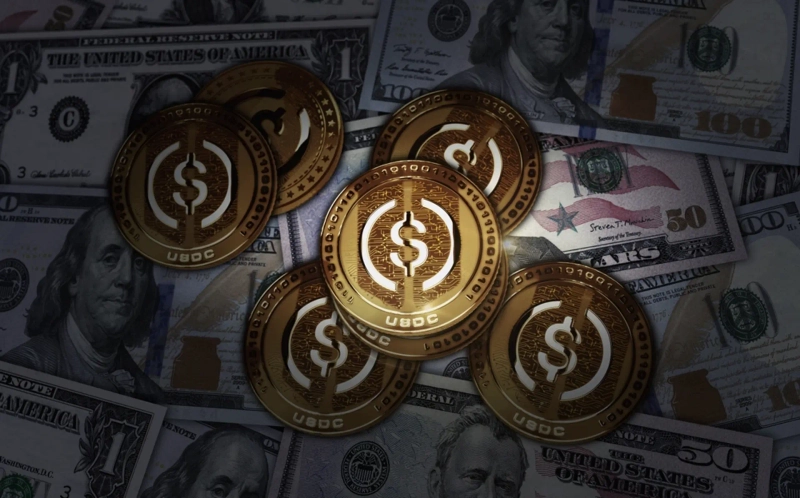
Forbes reported on the 19th that U.S. banks are intensifying lobbying to completely block stablecoin issuers from paying interest. Financial stability is the ostensible reason, but it appears that vested interests are at work to protect payment fee revenue totaling $187 billion annually.
At the center of the controversy is the management of stablecoin reserves. Banks argue that if issuers of dollar-based stablecoins earn profits by investing deposits, deposit outflows will occur and lending capacity will decline. In August, the American Bankers Association (ABA) and more than 40 state banking associations sent a letter to the Senate Banking Committee asking to "strengthen prohibitions" and stating that "stablecoins are a means of payment, not a means of paying interest."
Supporters of stablecoins view the banks' argument as an "exaggerated threat." Payar Shirzad, Coinbase's Head of Policy, said on the 16th, "If banks were worried about insufficient deposits, they would have attracted funds by offering higher rates," and criticized, "Banks are currently holding more than $3.3 trillion in excess reserves at the Fed and collecting $176 billion in interest annually. That exceeds half of their total pre-tax earnings."
The Coinbase Institute, Coinbase's research arm, also wrote in a recent report that "stablecoins do not hinder lending" and that "they rather expand cross-border payments, on-chain finance, and efficient payment systems, strengthening the dollar's global standing."
Officials at the U.S. Federal Reserve (Fed) have acknowledged this as well. Fed Governor Christopher Waller said in August, "The rise of stablecoins is similar to the adoption of credit cards in the 20th century," adding that "banks once resisted innovations like ATMs and online banking but eventually adopted them, and digital assets will follow a similar path." He emphasized that stablecoins can extend the dollar's international prominence and, combined with AI-based monitoring and compliance, accelerate innovation in financial infrastructure.
The stablecoin regulation that took effect in July, the 'GENIUS Act,' requires 1:1 dollar backing and monthly reserve disclosures, and prohibits issuers from directly paying interest. However, it does not ban exchange or partner reward programs, and banks are asking to have those areas blocked as well.

Doohyun Hwang
cow5361@bloomingbit.ioKEEP CALM AND HODL🍀