

Editor's PiCK
Metal prices pushed up by AI infrastructure… Lithium and copper rise alongside gold
공유하기
- This year industrial metal prices have generally strengthened due to artificial intelligence (AI) infrastructure build-out and energy transition demand.
- U.S. tariff policy and mine supply disruptions have continued to cause volatility and supply concerns in the metal market.
- Market experts forecast that AI power consumption growth will stimulate medium- to long-term demand for industrial metals such as copper, lithium, and aluminum.
- The article was summarized using an artificial intelligence-based language model.
- Due to the nature of the technology, key content in the text may be excluded or different from the facts.
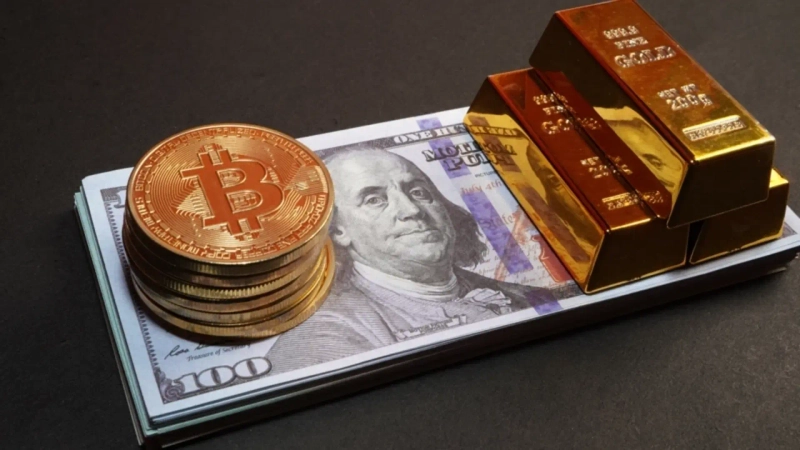
This year, industrial metal prices have attracted market attention by showing an increase trend similar to gold. The overlap of artificial intelligence (AI) infrastructure build-out and energy transition demand has driven a broad bullish trend in major metal prices.
According to Cryptopolitan on the 21st (local time), copper prices have risen more than 34% year-to-date in 2025, steel 27%, and aluminum 14%. Lithium also rose about 30%, recording an annual performance similar to gold.
Jim Wiederhold, who handles commodity index products at Bloomberg, said, "The global economy is moving from a fossil fuel–centric structure to a metal-based technology one," and added, "The future is powered by metals."
AI data center construction, power grid expansion, and the wider adoption of electric vehicles and energy storage systems are cited as key factors driving metal demand. The fact that most advanced industries—semiconductors, servers, and power equipment—rely on combinations of copper, aluminum, and steel also supported the price increases.
Supply disruptions also heightened upward pressure on prices. In May this year, Ivanhoe Mines' Kamoa-Kakula copper mine in the Democratic Republic of the Congo was halted by flooding, and later a major mine tunnel collapse occurred in Chile. In Indonesia, Freeport-McMoRan's Grasberg mine suffered landslide damage, leading to continued supply reductions.
In the lithium market, price volatility widened after the Chinese government temporarily suspended operations at one of CATL's major mines. Aluminum and steel producers are facing higher cost burdens due to rising energy prices from the war in Ukraine and increased power demand from the AI industry. ING analyzed that China's aluminum production is approaching its ceiling, limiting additional supply capacity.
Trade policy also increased market volatility. U.S. President Donald Trump approved 50% tariffs on imported steel and aluminum, and applied the same tariffs to products with high copper content, such as wires and tubes. Immediately after the tariff announcement, traders moved copper stored in overseas warehouses to the United States to secure volumes before the tariffs took effect, causing prices to surge.
Prices later underwent some adjustment after it was confirmed that raw ore would be excluded from the tariffs, but supply concerns were assessed to remain unresolved. Adam Turnquist, LPL Financial's chief technical strategist, said, "Requests for copper withdrawals from London Metal Exchange (LME) warehouses increased, expanding global supply shortage concerns."
Producers also took measures. According to Jefferies Research, Glencore plans to expand copper production from about 850,000 tons in 2025 to 1 million tons in 2028 and 1.6 million tons in 2035. In Southeast Asia, Indonesian aluminum smelters have begun expanding refining facilities.
Jigna Gibb, who oversees commodity and crypto asset index products at Bloomberg, said, "Energy and industrial metals are the asset classes with the fastest-growing positioning recently," adding, "The share of physically backed trading is expanding."
The market expects AI's increased power consumption to continue to stimulate metal demand in the medium to long term. Aluminum refining requires cheap electricity, and with data center expansion increasing power cost burdens, supply conditions could tighten further. Wiederhold said, "Supply may not be sufficient to meet the anticipated demand."

![[Analysis] "Bitcoin, 2026 will be a period of increased volatility… Long-term bullish outlook remains"](https://media.bloomingbit.io/PROD/news/350f83ea-a321-487c-a1bb-b05964654cf9.webp?w=250)
![[Today's key economic & cryptocurrency schedule] US Chicago Fed National Activity Index (September) etc.](https://media.bloomingbit.io/static/news/brief_en.webp?w=250)