

Russian central bank considers allowing individual investors to trade virtual assets
Summary
- The Bank of Russia has reportedly submitted a draft policy to allow non‑qualified investors to purchase virtual assets on a limited basis if they meet certain requirements.
- Investment targets are limited to highly liquid virtual assets, and investment conditions such as the annual investment limit and a knowledge test are reported to have been tightened.
- The market assesses that this measure is closer to strengthened supervision and a limited opening rather than full approval, and that detailed criteria and the scope of permitted assets are expected to be major variables for the market.
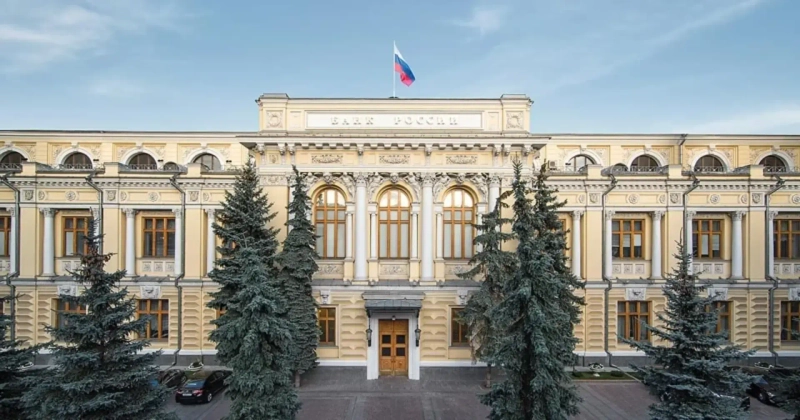
There are reports that the Bank of Russia will adjust its policy to selectively allow individual investors access to virtual assets (cryptocurrencies).
On the 23rd, according to crypto media Cointelegraph, the Bank of Russia submitted a draft policy that would allow non‑qualified investors to purchase certain virtual assets if they meet specific requirements. Non‑qualified investors must pass a pre‑knowledge test, and the annual investment limit is capped at 300,000 rubles (about $3,800). Investment targets are limited to highly liquid virtual assets, and the specific list of permitted assets has not yet been disclosed.
Qualified investors are expected to be allowed broader trading. They would be able to access most virtual assets except privacy coins, and they must also pass the knowledge test. Russian residents will be able to pay into foreign‑currency accounts through overseas virtual asset exchanges and transfer acquired assets through Russian intermediaries. However, transaction records generated in this process must be reported to tax authorities.
This draft policy coincides with remarks by a senior central bank official suggesting a possible easing of regulations. Earlier, the central bank's first deputy governor mentioned that the requirements for "ultra‑high‑net‑worth qualified investors" in transactions involving physical delivery of virtual assets could be relaxed. That category was introduced along with a virtual asset exchange launched by the Finance Ministry and the central bank at the end of April, and is based on net assets exceeding 100,000,000 rubles or annual income of at least 50,000,000 rubles.
However, the central bank made clear its red lines on virtual assets. It still classifies virtual assets as high‑risk financial products and said that virtual assets, including stablecoins, are recognized only as tradable assets and cannot be used as a domestic means of payment. This means it will maintain the current legal framework, which since 2020 has banned the use of virtual assets as a means of payment.
The market sees this measure as closer to a limited opening under strengthened supervision rather than full approval of virtual assets. As regulators allow individual investor inflows while maintaining a risk‑management stance, detailed criteria and the range of permitted assets are expected to become key variables for the Russian virtual asset market going forward.

Minseung Kang
minriver@bloomingbit.ioBlockchain journalist | Writer of Trade Now & Altcoin Now, must-read content for investors.