

Soared 150% this year alone 'rose terrifyingly'…"I should've bought earlier," retail investors lament
Summary
- So far this year, gold has risen about 70% and silver has surged more than 150%.
- The background to the rise in international gold and silver prices includes large purchases by central banks, inflows into ETFs, and rate cuts by the U.S. Federal Reserve.
- Geopolitical tensions between the United States and Venezuela and a weak dollar are said to be encouraging further rises in gold and silver prices.
Relentless rise in gold and silver prices
Tensions between the US and Venezuela escalate
Weak dollar pushes gold and silver up day after day
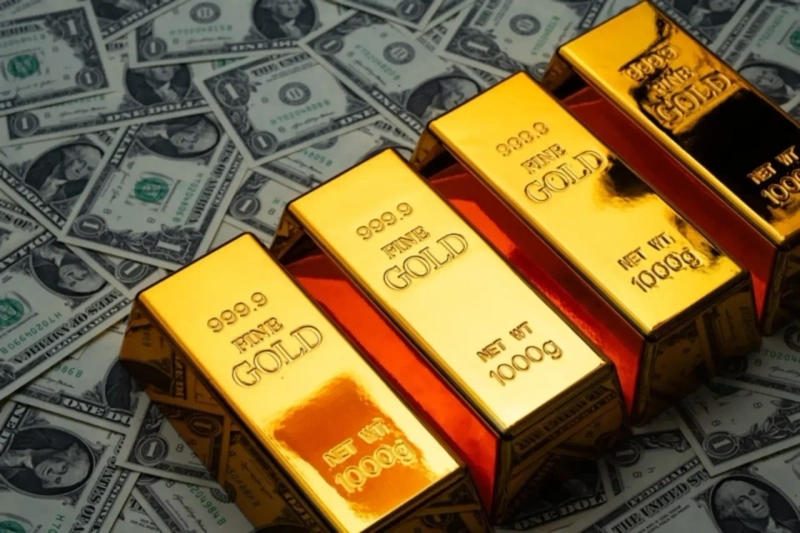
Military tensions between the United States and Venezuela and a weak dollar have combined to push international gold and silver prices to record highs day after day.
According to Bloomberg, the spot gold price stood at 4508.15 dollars per ounce as of 2:20 p.m. Korea time on the 26th. At one point during the session it rose to 4531 dollars, surpassing the previous intraday record of 4525.77 dollars set on the 24th. On the New York Mercantile Exchange, February-delivery gold futures were trading at 4539.20 dollars per ounce, up 0.8% from the previous session.
The silver rally is also steep. The silver spot price recorded 74.6813 dollars per ounce, up 2.9%, and during the session surged to 75.1515 dollars, breaking the 75-dollar-per-ounce mark for the first time.
By contrast, the dollar is weakening. The Bloomberg dollar spot index has fallen 0.8% so far this week, marking its largest weekly drop since June.
So far this year gold has risen about 70%, and silver has surged more than 150%. Both assets are widely seen as likely to record their best annual gains since 1979.
The gold and silver rally is attributed to large purchases by central banks, inflows into exchange-traded funds (ETFs), and three consecutive rate cuts by the U.S. Federal Reserve (Fed). In addition, the White House's recent escalation of pressure on Venezuela is analyzed as having helped fuel price increases through geopolitical instability.
However, the Trump administration is reported to be prioritizing economic pressure through sanctions over immediate military intervention.
Reuters reported on the 24th (local time), citing a U.S. government official, that "military options still exist, but the White House is focusing on using economic pressure through sanctions first to achieve the results it wants." The official said the U.S. military has been instructed to focus on an oil blockade of Venezuela for at least the next two months.
Shin Hyun-bo, Hankyung.com reporter greaterfool@hankyung.com

Korea Economic Daily
hankyung@bloomingbit.ioThe Korea Economic Daily Global is a digital media where latest news on Korean companies, industries, and financial markets.