

Michael van de Poppe "Most altcoins may struggle to survive past 2026"
Summary
- Michael van de Poppe said most altcoins may find it difficult to survive past 2026 due to the prolonged bear market, increased competition, and fragile tokenomics.
- He explained that many altcoins have fallen by about 90% from their peaks, and financial mismanagement and technological advances could make many projects impossible to recover.
- He stressed that only projects with solid fundamentals such as on-chain activity, TVL, trading volume, and fee revenue have a chance of long-term survival.
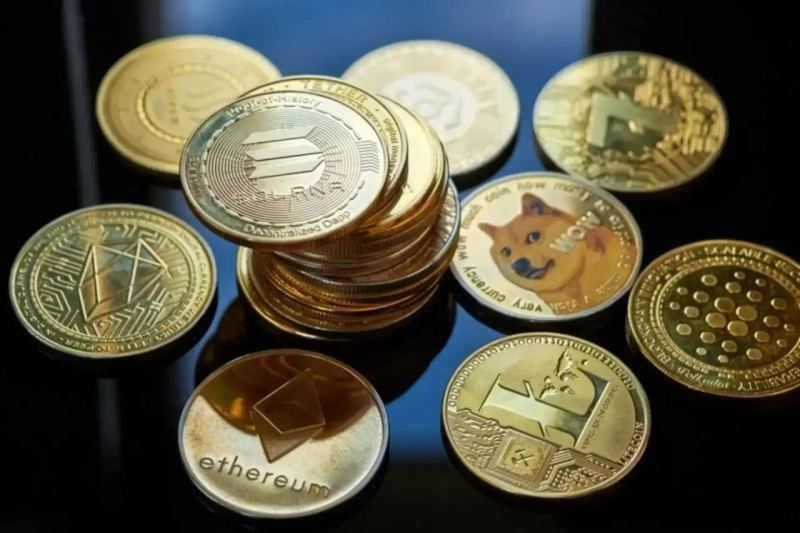
A prolonged bear market, intensified competition, and weak tokenomics could combine to deepen the polarization of the altcoin market around 2026.
On the 30th, crypto media BeInCrypto reported that crypto analyst Michael van de Poppe recently said on YouTube, "It is risky to assume that altcoins will inevitably come back to life," adding, "Most altcoins may find it difficult to survive past 2026."
He assessed the market trend over the past year by saying, "Most altcoins have performed worse than in 2022." He added, "Many altcoins have fallen by nearly 90% from their peaks, and a large number of them will not recover."
Van de Poppe pointed to poor tokenomics and financial mismanagement as major factors threatening altcoin survival. He noted, "There are many projects whose founders have damaged the financial structure, misdesigned the token, or suffered declines so severe that recovery is impossible."
The prolonged bear market was also mentioned as a key variable. He diagnosed, "The current market is the longest bear market in crypto history and is similar to the situation after the dot-com bubble burst in the early 2000s." He said, "Just as most internet companies did not recover after the dot-com bubble burst, many projects may disappear from the market in this cycle."
He also analyzed that intensified competition due to technological advances could work against altcoins. Van de Poppe said, "Many altcoins that appeared in the previous cycle have already been replaced by newer, more efficient solutions," explaining, "Institutional capital inflows are positive for the industry as a whole, but they can become a competitive burden for small teams."
However, he added that not all altcoins will follow the same path. He emphasized the need to pay attention to projects where price trends diverge from underlying growth. Van de Poppe said, "Projects with weak prices but increasing on-chain activity, total value locked (TVL), trading volume, and fee revenue have a chance of long-term survival."
He cited Arbitrum, Aave, and NEAR as examples. He said, "In Arbitrum's case, the price is hitting new lows, but the ecosystem's fundamental growth rate increased by about 200% during the same period," explaining, "You can find altcoins that will survive at points where price and fundamentals diverge like this."
The media reported, "The future altcoin market is likely to be reorganized around certain projects rather than a full-scale 'altcoin season,'" adding, "Short-term volatility may continue, but structurally the ecosystem could undergo a broad cleanup in the long term."

Minseung Kang
minriver@bloomingbit.ioBlockchain journalist | Writer of Trade Now & Altcoin Now, must-read content for investors.