

Mexico to impose 'up to 50%%' tariffs on FTA non-signatory countries including South Korea from New Year
Summary
- Mexico announced it will impose tariffs of up to 50% on 1,463 items imported from FTA non-signatory countries, including South Korea.
- It said this is expected to significantly increase South Korea's export costs to Mexico.
- The measure aims to expand the domestic share in the production value chain and increase domestic investment through the 'Made in Mexico' program.
Targeting around 1,400 items including steel, automobiles, and clothing
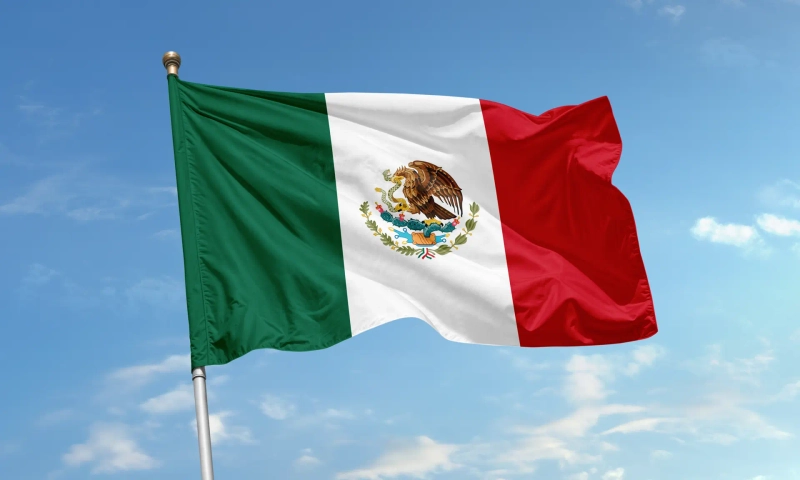
Mexico will impose tariffs of up to 50% on certain items imported from countries that have not signed a Free Trade Agreement (FTA) with it, including South Korea, starting from the New Year. As a result, South Korea's export costs to Mexico are also expected to rise sharply.
On the 30th (local time), according to the Mexican presidential office website and the federal gazette, the Mexican government will implement from the 1st of next month an amendment to the General Import and Export Tax Law that imposes tariffs of 5–50% on a total of 1,463 items, including automobiles, textiles, plastics, steel, home appliances, furniture, shoes, and paper.
The top rate of 50% applies to finished vehicles (including electric vehicles) such as passenger cars, trucks, and tractors. Auto parts will be subject to tariffs of 7–36% depending on the item. Other items, excluding automobiles, will generally face tariffs in the range of 5–35%. Of the total items affected, 316 had previously been duty-free.
Countries subject to the tariffs include South Korea, China, India, Vietnam, Thailand, Brazil, Indonesia, Taiwan, the United Arab Emirates (UAE), and South Africa. In contrast, the United States and Canada, which are parties to the United States–Mexico–Canada Agreement (USMCA), as well as the European Union (EU) and Japan, which have bilateral FTAs, are excluded from this measure.
The Mexican government has also included a provision in the bill allowing import tariff rates to be adjusted flexibly to leave room for future negotiations. This action is interpreted as a move that aligns with the protectionist stance and anti-China pressure policies of the Donald Trump administration in the United States.
The Mexican presidential office also presented a goal to increase the domestic share in the production value chain to 15%, and to raise domestic investment to 28% of GDP through the 'Made in Mexico' program, creating 1.5 million jobs.
Ha Ji-eun reporter hazzys@hankyung.com

Korea Economic Daily
hankyung@bloomingbit.ioThe Korea Economic Daily Global is a digital media where latest news on Korean companies, industries, and financial markets.