

Amir Zaidi, key figure behind the launch of Bitcoin futures contracts, returns to U.S. CFTC
Summary
- Amir Zaidi has returned to the U.S. Commodity Futures Trading Commission (CFTC) as Chief of Staff and is expected to lead regulation of Bitcoin futures and other virtual assets.
- With the U.S. Congress discussing a digital asset market-structure bill, the role of the CFTC is expected to expand.
- Zaidi's return is seen as an appointment symbolizing a virtual-asset-friendly regulatory stance within the CFTC.
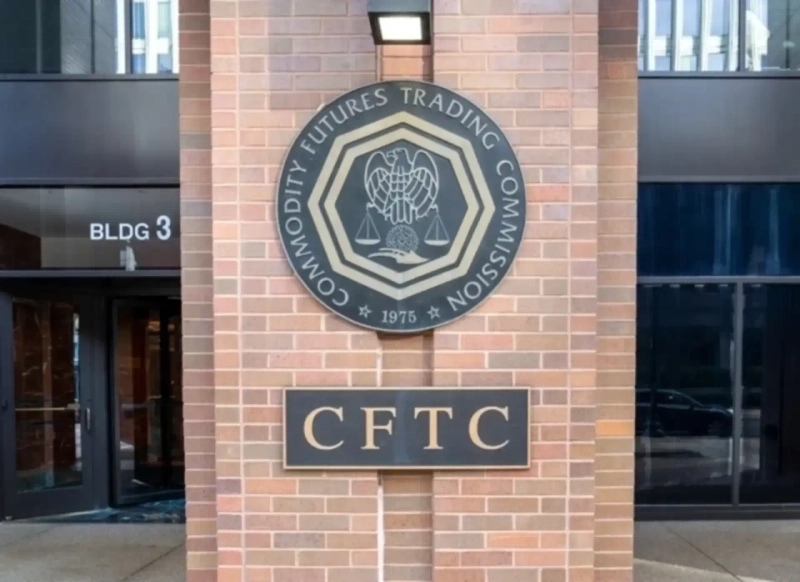
Amir Zaidi, a key figure who led the launch of regulated Bitcoin futures contracts in the United States, has returned to the U.S. Commodity Futures Trading Commission (CFTC). As the U.S. Congress begins full discussions on a digital asset market-structure bill, there is speculation that the overhaul of the virtual asset regulatory framework will accelerate.
According to Cointelegraph on the 31st (local time), Amir Zaidi was officially appointed as CFTC Chief of Staff. CFTC Chairman Michael Selig said in a statement that Zaidi's return will strengthen the agency's policy capabilities.
Chairman Selig said, "Zaidi played a central role in the launch of Bitcoin futures contracts under CFTC regulation during President Donald J. Trump's first administration," and evaluated him as "someone who can provide practical regulatory experience in the rapidly changing digital asset market environment." He added, "In a situation where Congress is pursuing legislation on digital asset market structure, his expertise will be a great asset to the CFTC."
Zaidi worked at the CFTC from 2010 to 2019 in various positions. In particular, from 2017 to 2019 he served as director of the Division of Market Oversight, overseeing the launch of the United States' first regulated Bitcoin futures market. The Bitcoin futures listed on the Chicago Board Options Exchange (CBOE) at the time are regarded as a turning point for virtual assets entering the formal financial market.
After leaving the CFTC, Zaidi served as global head of compliance at global broker TP ICAP, gaining experience across financial regulation and market structure. This background is expected to be an advantage in future policy discussions aimed at regulating virtual assets with a commodity-centric approach.
The market is focusing on the possibility that the CFTC will take a more central role in virtual asset oversight after 2026. The digital asset market-structure bill currently under discussion includes provisions to expand the CFTC's authority in areas that classify virtual assets as commodities.
Since taking office at the end of December last year, Chairman Selig has said he will support the current administration's stance of "making the United States the global center for virtual assets." In this context, Zaidi's return is interpreted as an appointment that symbolizes a virtual-asset-friendly regulatory stance within the CFTC.
Meanwhile, the U.S. Securities and Exchange Commission (SEC) under Chairman Paul Atkins is also showing a more flexible attitude toward virtual assets. With the expansion of approvals for spot virtual asset exchange-traded funds (ETFs) and the major legal disputes entering a resolution phase, there is an assessment that the overall U.S. virtual asset regulatory environment has entered a period of transition.

YM Lee
20min@bloomingbit.ioCrypto Chatterbox_ tlg@Bloomingbit_YMLEE